Electric vehicle charging stations are becoming increasingly common at homes, apartment complexes, workplaces, and commercial properties throughout Arizona.
However, installing an EV charger may require more than mounting equipment and connecting electrical wiring.
When electrical conduit must run beneath existing driveways, sidewalks, garage floors, or parking lots,
concrete cutting for EV charging stations can help prepare the necessary pathways.
At
Adam's Concrete Cutting and Demolition, we provide professional concrete cutting and selective demolition services throughout Glendale, Phoenix, Peoria, Surprise, and surrounding Arizona communities.
Here's how concrete cutting supports EV charging station installation and what property owners should know before starting a project.
Why Is Concrete Cutting Needed for EV Charging Stations?
Not every EV charger installation requires concrete cutting.
Some residential charging stations can connect to nearby electrical equipment without modifying existing concrete.
However, when underground electrical conduit must cross a driveway, sidewalk, or parking area, concrete cutting may be necessary.
Common situations include:
- Installing conduit beneath driveways
- Connecting chargers across parking lots
- Preparing commercial properties for multiple charging stations
- Upgrading underground electrical infrastructure
- Modifying sidewalks or concrete islands
- Removing concrete for equipment foundations
The electrical contractor designs and installs the electrical system, while the concrete cutting contractor prepares the required openings.
Coordinating these services helps reduce unnecessary demolition and construction delays.
1. Concrete Trench Cutting Creates Electrical Pathways
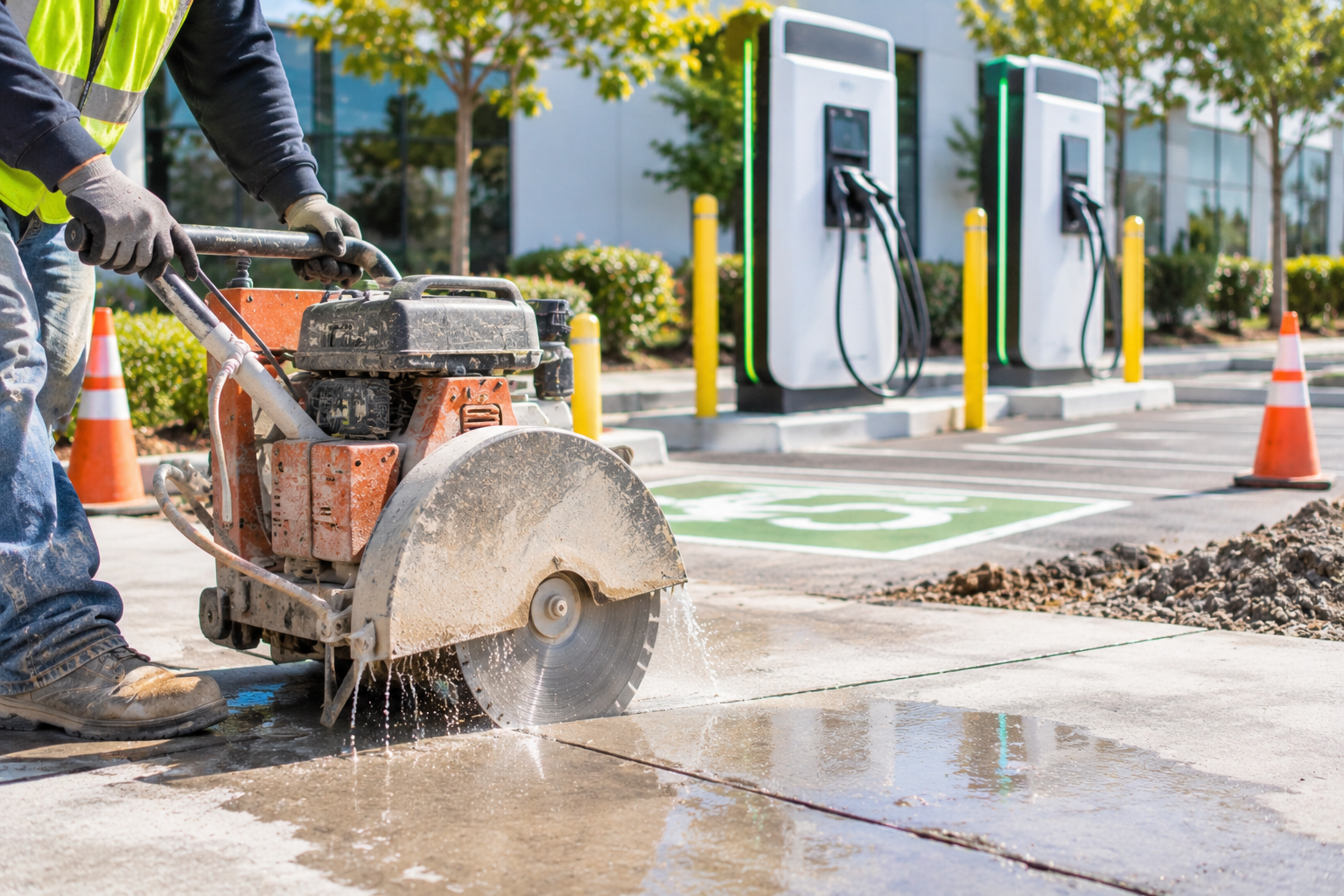
One of the most common applications of concrete cutting during EV charger installation is preparing trenches for electrical conduit.
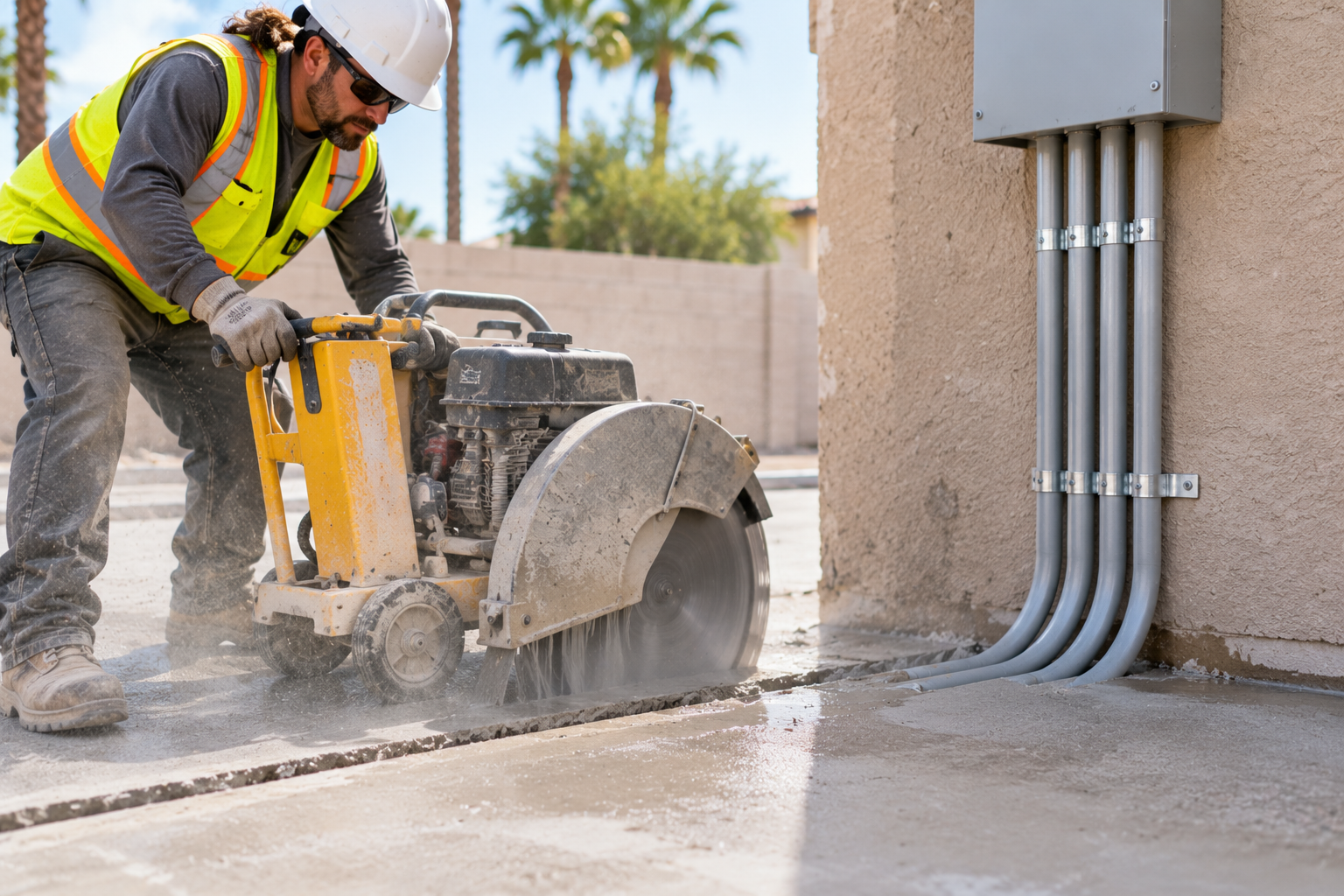
Conduit provides a protected pathway for electrical wiring between the power supply and charging equipment.
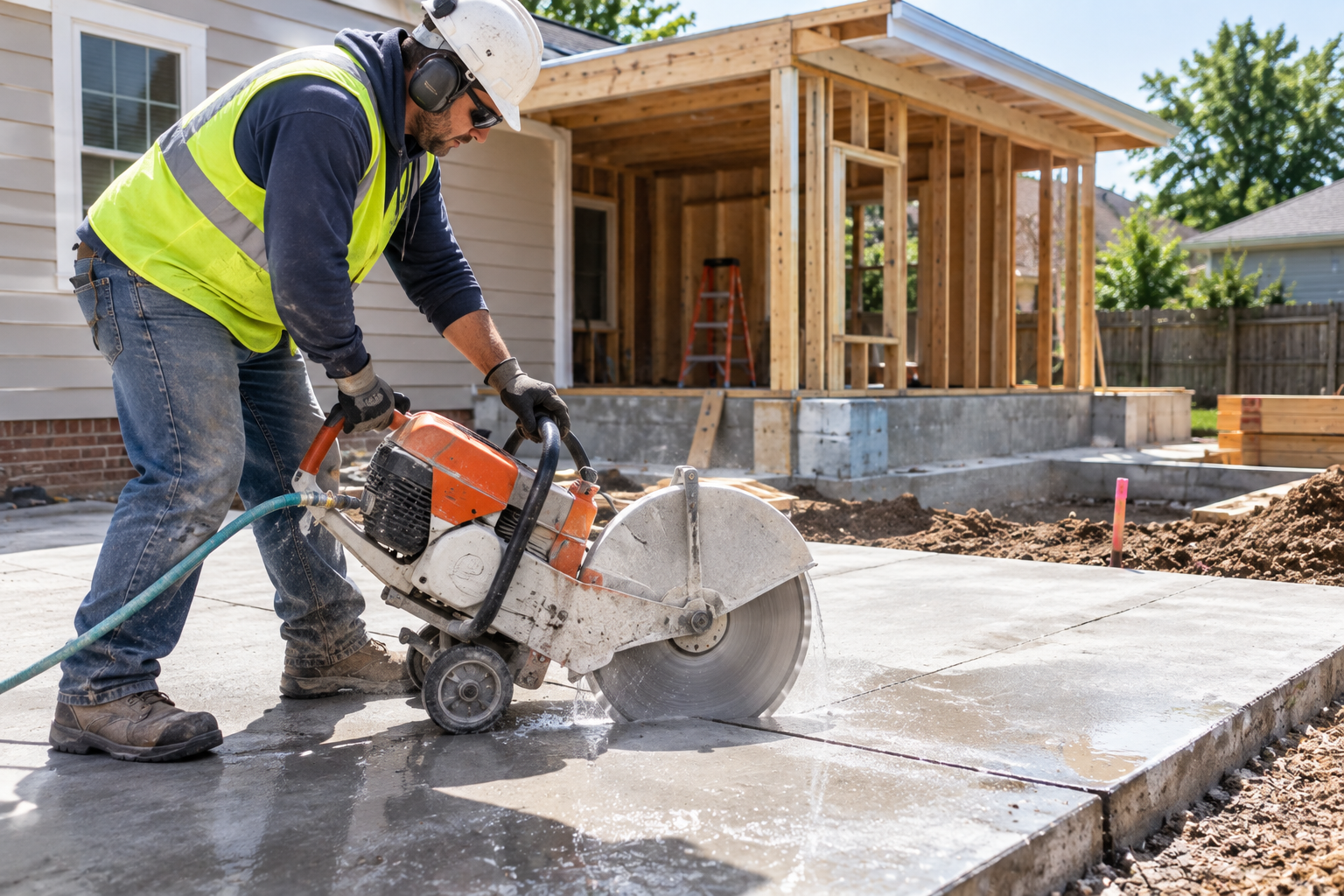
When the conduit must pass beneath existing concrete, contractors may need to cut and remove a narrow section of the slab.
How Concrete Trench Cutting Works
The process generally includes:
- Reviewing the approved electrical conduit layout.
- Marking the designated cutting boundaries.
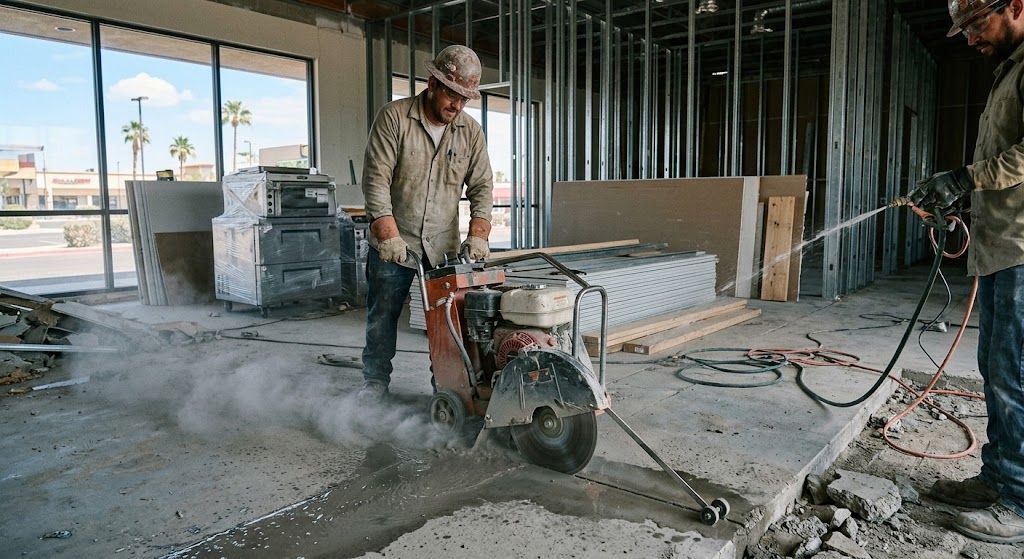
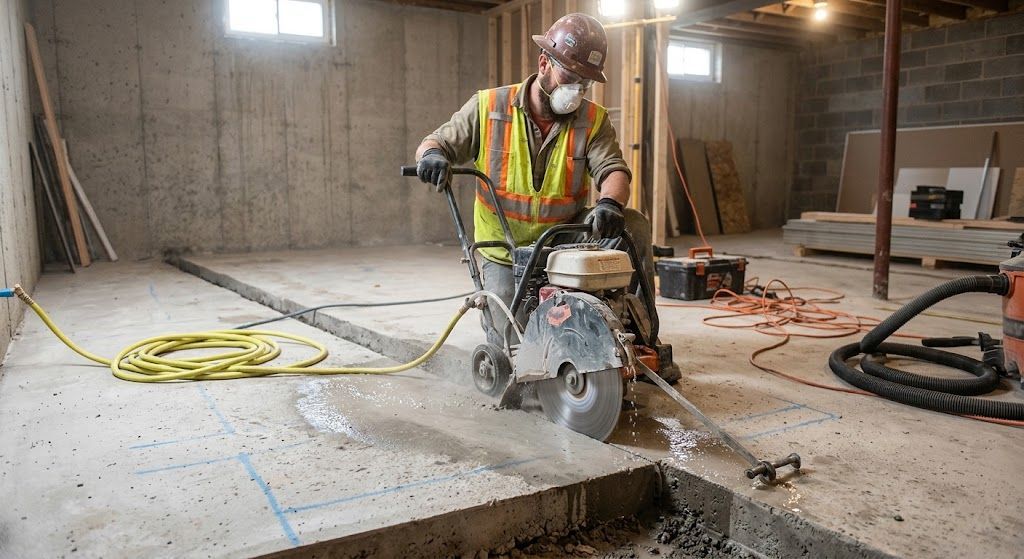
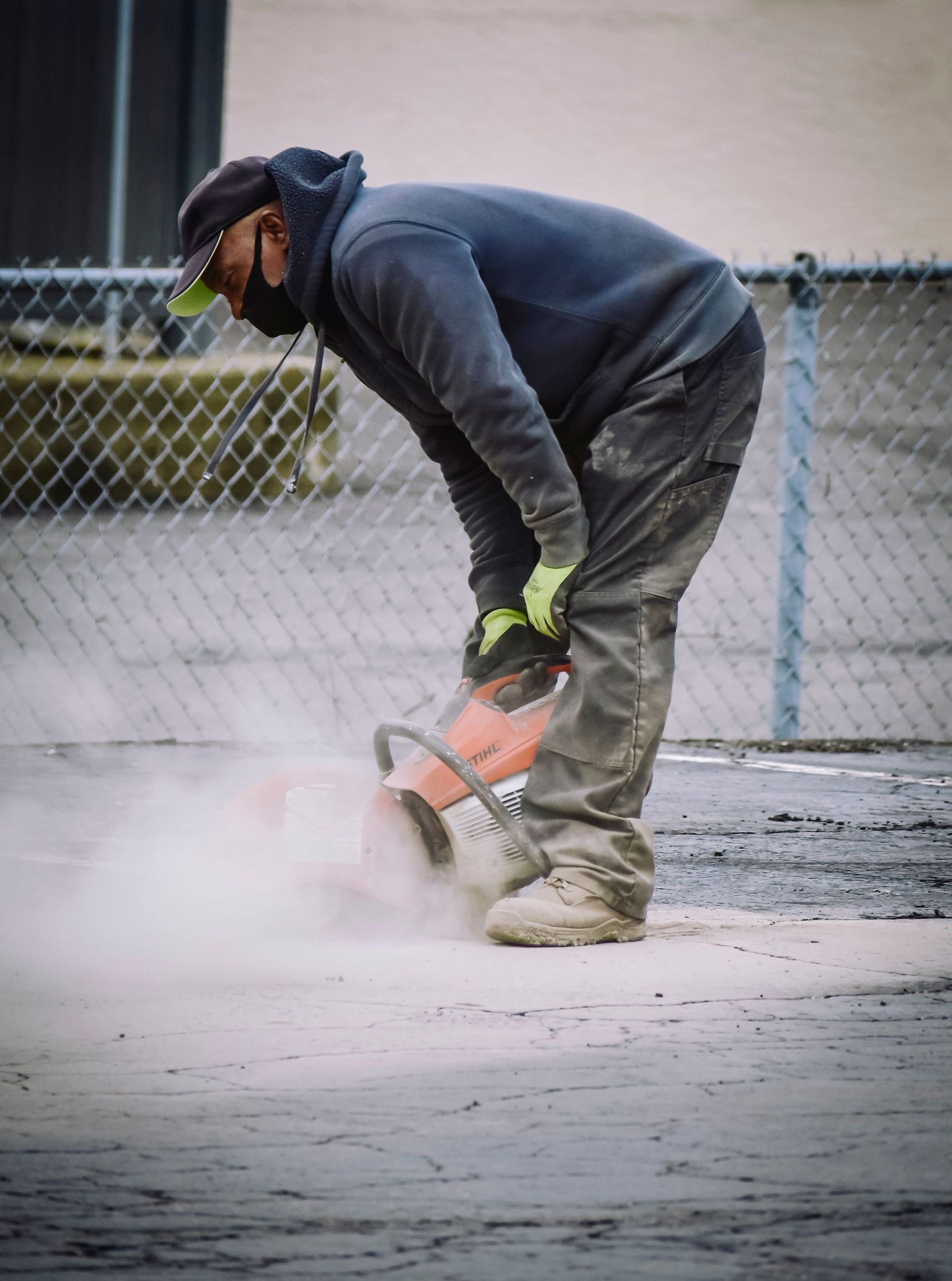
- Using specialized concrete saws to create precise cuts.
- Removing the selected concrete section.
- Allowing excavation and electrical conduit installation.
- Restoring the concrete after the required electrical work and inspections.
Precise cutting helps create clean edges and limits unnecessary removal.
This is particularly useful for driveways, sidewalks, and commercial parking areas.
2. Residential EV Charger Installations May Require Concrete Modifications
Homeowners throughout Glendale and the West Valley are increasingly considering EV charging equipment for convenient home charging.
However, the electrical panel and preferred charging location may be on opposite sides of the property.
If the installation requires underground wiring, concrete cutting may be needed.
Common residential applications include:
- Driveway trench cutting
- Garage floor modifications
- Sidewalk crossings
- Electrical conduit pathways
- Concrete removal for charger foundations
Professional cutting allows contractors to modify designated areas without removing large sections of existing concrete unnecessarily.
An electrician may also recommend alternative routes that avoid cutting entirely.
3. Commercial EV Charging Stations Often Require More Extensive Work
Commercial EV charging installations may involve multiple charging stations, longer electrical conduit runs, and modifications to existing parking facilities.
Properties that may require concrete cutting include:
Shopping Centers
Retail properties may need concrete trenching across parking lots or modifications to existing concrete islands.
Apartment Communities
Multifamily properties may require conduit pathways through parking garages, sidewalks, or surface parking areas.
Office Buildings
Workplace charging installations may involve new electrical pathways between distribution equipment and designated parking spaces.
Hotels
Hospitality properties may need concrete modifications to support guest charging stations while maintaining convenient parking access.
For commercial projects, concrete cutting is one part of a larger installation involving electrical design, permitting, equipment installation, and inspections.
4. Concrete Cutting Helps Reduce Property Disruption
Installing EV charging infrastructure on an existing property can temporarily affect parking, vehicle movement, and pedestrian access.
Professional concrete cutting helps create clearly defined work areas.
Benefits include:
Reduced demolition: Precision cutting limits removal to approved areas.
Cleaner edges: Straight cuts make concrete restoration easier after underground work is completed.
Better coordination: Defined openings help electrical, excavation, and restoration contractors plan their work.
More organized scheduling: Contractors can coordinate access restrictions and construction phases more effectively.
Although concrete cutting still creates noise, dust, or slurry, proper planning can help minimize unnecessary disruption.
5. Common Concrete Cutting Methods for EV Charger Projects
Different installations may require different cutting techniques.
Flat Sawing
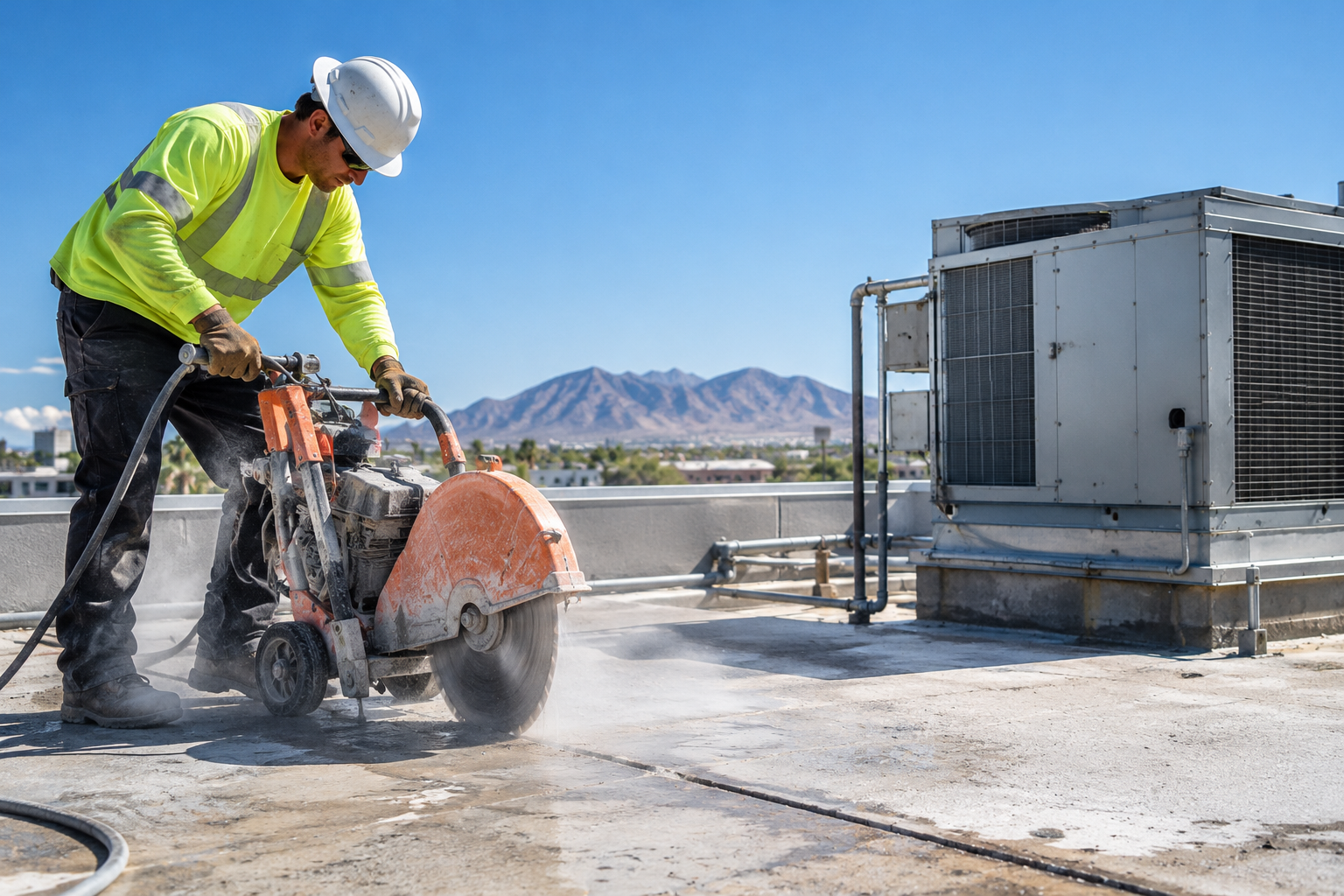
Flat sawing is commonly used on horizontal concrete surfaces.
It is useful for cutting trenches through:
- Driveways
- Parking lots
- Sidewalks
- Garage floors
- Concrete slabs
Core Drilling
Core drilling creates circular openings through concrete.
These openings may accommodate electrical conduit passing through walls, floors, or other concrete structures.
Wall Sawing
Wall sawing creates openings through vertical concrete surfaces when required by the approved installation design.
Selective Concrete Demolition
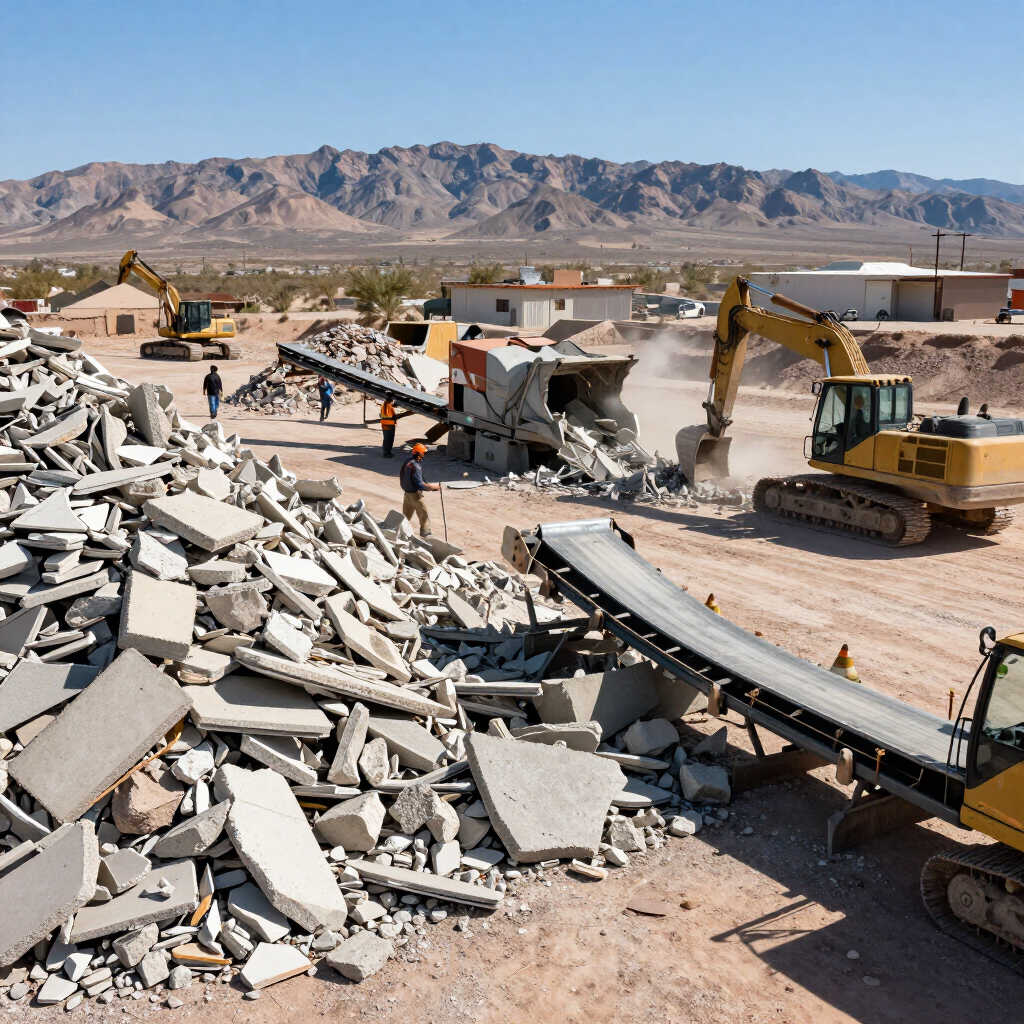
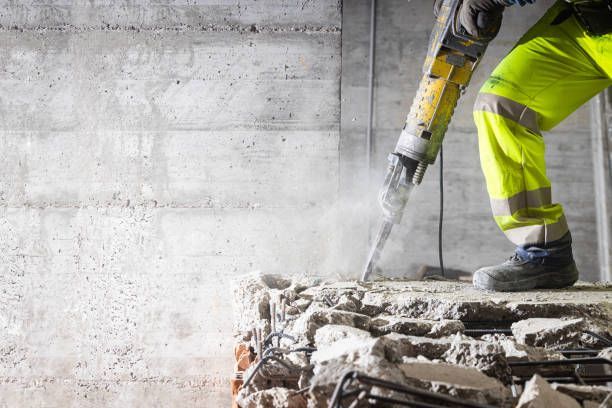
After cutting, designated concrete sections may need to be removed to allow excavation and electrical installation.
Controlled demolition helps preserve surrounding surfaces where practical.
6. Important Safety Considerations Before Concrete Cutting
Concrete cutting should begin only after the project team reviews the work area and approved installation plans.
Locate Underground Utilities
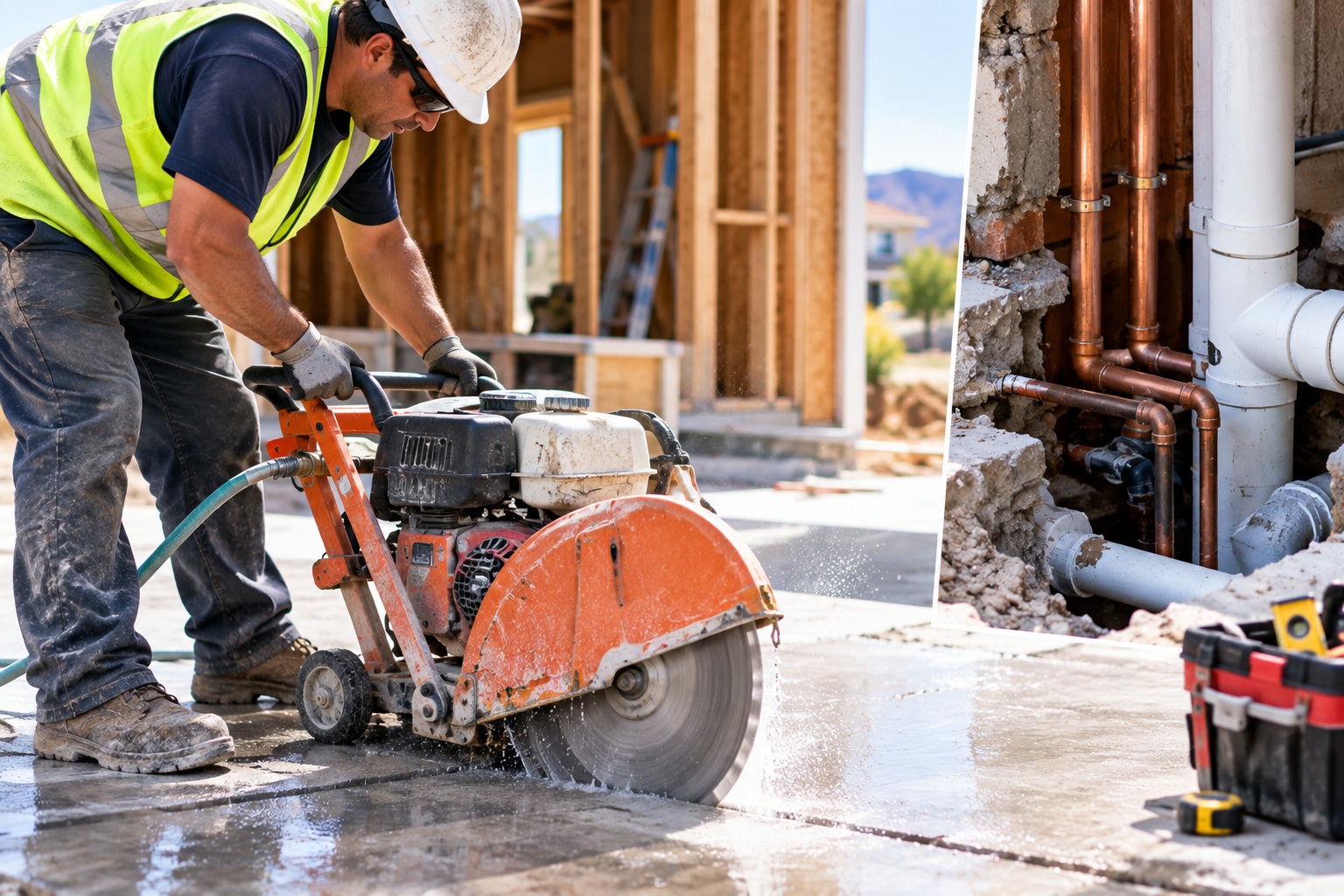
Existing concrete may conceal electrical wiring, water pipes, gas lines, and communication cables.
Utilities must be properly located and verified before cutting or excavation.
Evaluate Structural Conditions
Some concrete slabs contain reinforcement or structural components that require additional precautions.
Elevated slabs, post-tensioned concrete, and structural foundations may require engineering review before modifications.
Review Electrical Requirements
A qualified electrical contractor should determine conduit routing, burial depth, electrical capacity, and applicable code requirements.
Concrete cutting contractors should follow the approved design rather than make independent electrical decisions.
Confirm Permits and Inspections
EV charging installations may require electrical permits and inspections.
Additional requirements may apply to commercial parking areas, public sidewalks, and accessible routes.
Plan Site Access
Contractors should also consider vehicle traffic, pedestrian routes, equipment placement, and safe work zones.
7. How Arizona's Climate Affects Concrete Cutting Projects
Arizona's high temperatures and intense sunlight can affect outdoor concrete surfaces and installation planning.
When preparing a property for EV charging infrastructure, contractors should consider:
- Existing concrete joints
- Surface wear and cracking
- Drainage conditions
- Soil settlement
- Concrete restoration requirements
- Equipment placement and vehicle access
Proper planning helps ensure that restored concrete integrates appropriately with the surrounding surface.
8. How Much Does Concrete Cutting for EV Chargers Cost?
The cost of concrete cutting depends on the size and complexity of the project.
A small residential driveway trench may require less work than a commercial parking lot installation with multiple charging stations.
Important pricing factors include:
- Total cutting distance
- Concrete thickness
- Reinforcement
- Site accessibility
- Number of openings
- Equipment requirements
- Concrete removal
- Debris disposal
- Restoration requirements
- Scheduling restrictions
Keep in mind that concrete cutting costs are separate from the total EV charging station installation cost.
Electrical equipment, wiring, permits, excavation, and concrete replacement may be priced separately.
For an accurate estimate, provide the contractor with the proposed conduit layout and relevant site information.
9. Why Hire a Professional Concrete Cutting Contractor?
Concrete cutting requires specialized equipment, accurate measurements, and careful worksite planning.
Hiring an experienced contractor can help with:
- Precise cutting layouts
- Proper equipment selection
- Controlled concrete removal
- Coordination with electricians
- Worksite safety
- Debris management
- Preparation for concrete restoration
Professional concrete cutting helps create the openings required for electrical infrastructure while limiting unnecessary disturbance to nearby surfaces.
Frequently Asked Questions
Do all EV charger installations require concrete cutting?
No. Some installations use existing electrical pathways or alternative conduit routes. Concrete cutting is generally needed when the approved design requires access beneath or through existing concrete.
Can an EV charger be installed across a driveway from the electrical panel?
Potentially, yes. An electrician can determine whether underground conduit is appropriate. If the route crosses a concrete driveway, professional trench cutting may be necessary.
Can concrete cutting damage underground utilities?
Yes, if existing utilities are not properly located and verified. Utility locating and site evaluation are essential before cutting begins.
How long does concrete cutting take for EV charger installation?
The timeline depends on concrete thickness, cutting distance, reinforcement, site conditions, and equipment requirements. Electrical work, inspections, and restoration may extend the overall project schedule.
Can EV chargers be installed in existing commercial parking lots?
Yes. Existing parking facilities can often be upgraded with EV charging infrastructure, although the project may require concrete trenching, electrical upgrades, equipment pads, and parking layout modifications.
Get Professional Concrete Cutting for EV Charging Stations in Glendale, AZ
Installing an EV charging station can improve convenience for homeowners, residents, employees, and customers.
When an installation requires modifications to existing concrete, professional cutting helps prepare the property for electrical construction.
At
Adam's Concrete Cutting and Demolition, we provide concrete cutting and selective demolition services for residential and commercial projects throughout Glendale and the greater Phoenix area.
Our services include:
- Flat sawing
- Core drilling
- Wall sawing
- Concrete trench cutting
- Selective concrete demolition
- Concrete slab removal
We serve
Glendale, Peoria, Surprise, Phoenix, Avondale, Goodyear, Sun City, and surrounding Arizona communities.
Adam's Concrete Cutting and Demolition
Service Area: Glendale, AZ, and the greater Phoenix area
Phone: (623) 444-4195
Email:
concretecutting@live.com
Call Adam's Concrete Cutting and Demolition at (623) 444-4195 to discuss your EV charging station project and request a concrete cutting estimate.