
Concrete Cutting for HVAC Installation in Glendale, AZ: A Guide for Mechanical Contractors
Concrete Cutting for HVAC Installation in Glendale, AZ: A Guide for Mechanical Contractors

When an HVAC contractor needs to install new ductwork, relocate equipment, or create a utility penetration through an existing concrete wall or slab, specialized concrete cutting may be required before the mechanical work can proceed.
Professional concrete cutting for HVAC installation creates controlled openings through existing concrete for mechanical systems, equipment connections, and building renovations. Depending on the project, this may involve core drilling, wall sawing, slab cutting, or selective concrete removal.
For HVAC contractors, mechanical companies, general contractors, and commercial property managers throughout Glendale and the West Valley, working with an experienced concrete cutting subcontractor can help keep construction projects organized.
Adam's Concrete Cutting and Demolition provides specialized concrete cutting and removal services backed by more than 25 years of industry experience.
Whether you're upgrading equipment in a commercial building, renovating a warehouse, or modifying an existing mechanical room, understanding when concrete cutting is needed can help you plan the project more efficiently.
Why Do HVAC Installations Sometimes Require Concrete Cutting?
HVAC systems depend on a network of equipment, ducts, pipes, electrical connections, and mechanical components.
In new construction, these systems are typically incorporated into the building design before the structure is completed.
Existing buildings are different.
When a mechanical contractor upgrades or relocates equipment, the building may not have the openings or pathways required for the new installation.
Concrete walls, floors, and structural components can create obstacles.
Concrete cutting may be needed for:
- New ductwork openings
- Mechanical utility penetrations
- Refrigerant line pathways
- Condensate drain connections
- Equipment replacement projects
- Mechanical room renovations
- Commercial HVAC upgrades
- Warehouse equipment installations
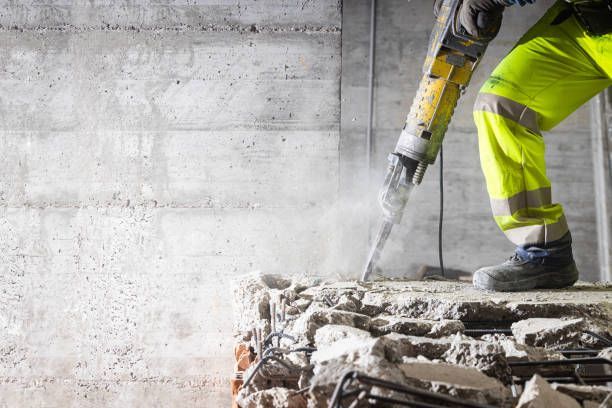
- Selective concrete removal
- Building expansions and tenant improvements
Not every HVAC installation requires cutting concrete. However, when an existing concrete structure prevents the installation of a properly designed mechanical system, a concrete cutting contractor may be needed.
The mechanical contractor determines what the system requires. The concrete cutting contractor creates the specified opening using an appropriate cutting method.
Who Needs Concrete Cutting for HVAC Projects?
Several types of customers regularly encounter situations where mechanical work requires concrete modification.
HVAC Contractors
HVAC companies are a natural referral audience for concrete cutting specialists.
An HVAC contractor may need to pass new mechanical connections through an existing concrete wall or floor.
Rather than purchasing specialized concrete cutting equipment for occasional use, the contractor can subcontract that portion of the project.
This allows the HVAC crew to focus on installing and commissioning the mechanical system.
Commercial General Contractors
General contractors often coordinate HVAC upgrades as part of larger commercial renovations.
A new tenant may require different heating, cooling, or ventilation equipment than the previous occupant.
If the mechanical design requires new openings through concrete, the general contractor can bring in a concrete cutting specialist.
Property Managers
Commercial property managers may oversee HVAC replacement projects in offices, retail centers, warehouses, and other buildings.
They often need contractors who can coordinate their work with existing building operations.
Industrial Facility Managers
Industrial buildings can contain large mechanical systems and specialized equipment.
Changes to those systems may require new utility penetrations or selective concrete removal.
For these projects, planning and coordination are particularly important.
Concrete Core Drilling for HVAC Installations
Core drilling is one of the most relevant concrete cutting methods for mechanical contractors.
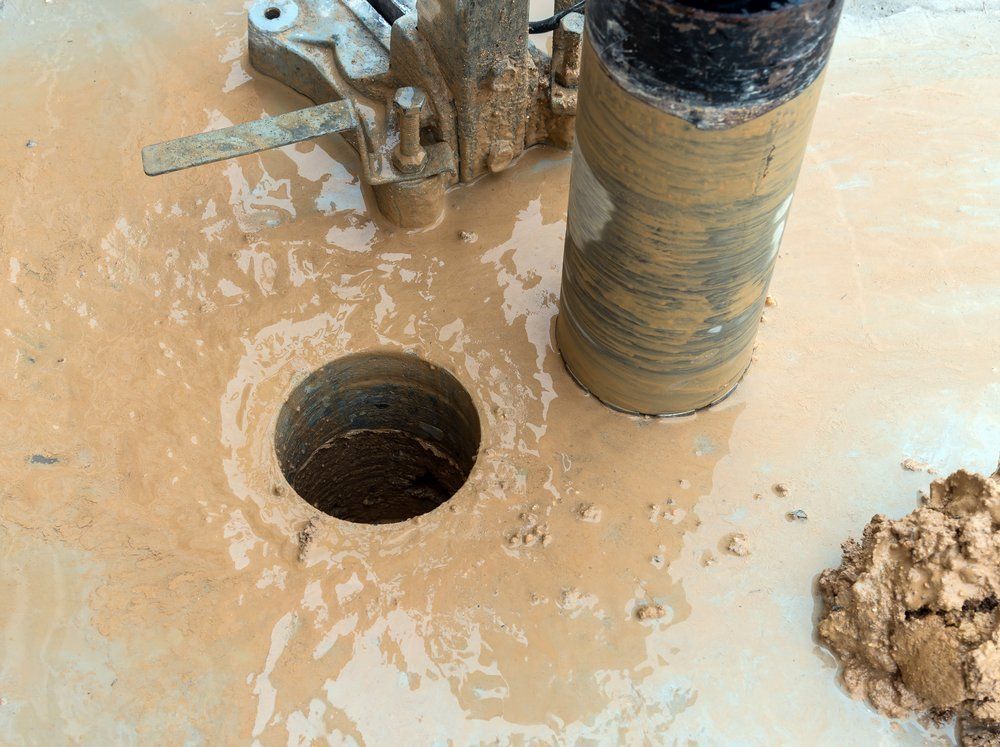
A concrete core drill uses a cylindrical diamond cutting tool to create a round opening through concrete.
These openings may accommodate specified utility or mechanical penetrations.
Potential applications include:
- Refrigerant piping
- Condensate drainage
- Mechanical utility connections
- Electrical conduit
- Other appropriately designed building penetrations
The required hole diameter depends on the mechanical design and the components passing through the opening.
For example, a mechanical contractor installing equipment in an existing commercial building may need a circular penetration through a concrete wall for a designated utility connection.
Instead of breaking out a large section of the wall, core drilling can create a controlled opening at the specified location.
However, the cutting contractor should not independently determine where structural concrete can be penetrated.
Opening locations must be coordinated with the project team, and structural review may be necessary.
Wall Sawing for Larger Mechanical Openings
Not every HVAC project requires a small circular hole.
Some mechanical installations need larger openings through existing concrete walls.
Depending on the building and approved construction plans, wall sawing may be an appropriate method.
Wall sawing uses specialized equipment to make controlled cuts in vertical concrete surfaces.
Possible applications include:
- Specified mechanical access openings
- Openings associated with equipment installation
- Commercial renovation work
- Building modifications requiring larger penetrations
A wall opening may involve structural considerations.
Concrete walls can serve important load-bearing or lateral-resisting functions, so contractors should never assume that a section can be removed simply because the opening is needed.
The project engineer or other responsible design professional should determine whether the proposed modification is acceptable and what support or reinforcement is required.
Once the approved scope is established, the concrete cutting contractor can perform the specified work.
Concrete Slab Cutting for Mechanical Utility Routes
HVAC projects can also require modifications to horizontal concrete surfaces.
For example, a commercial renovation may call for new mechanical utility connections that must pass through or beneath an existing floor.
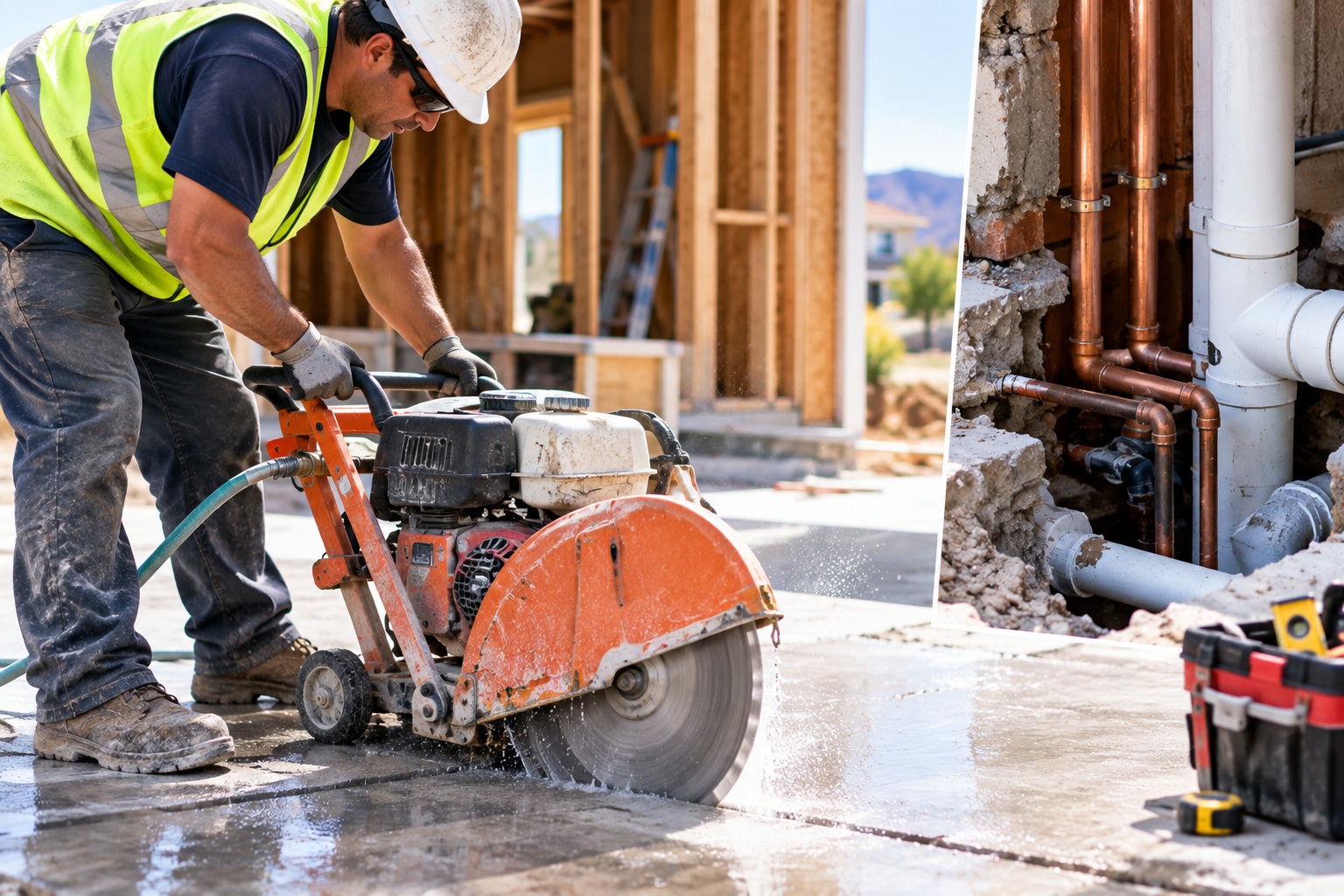
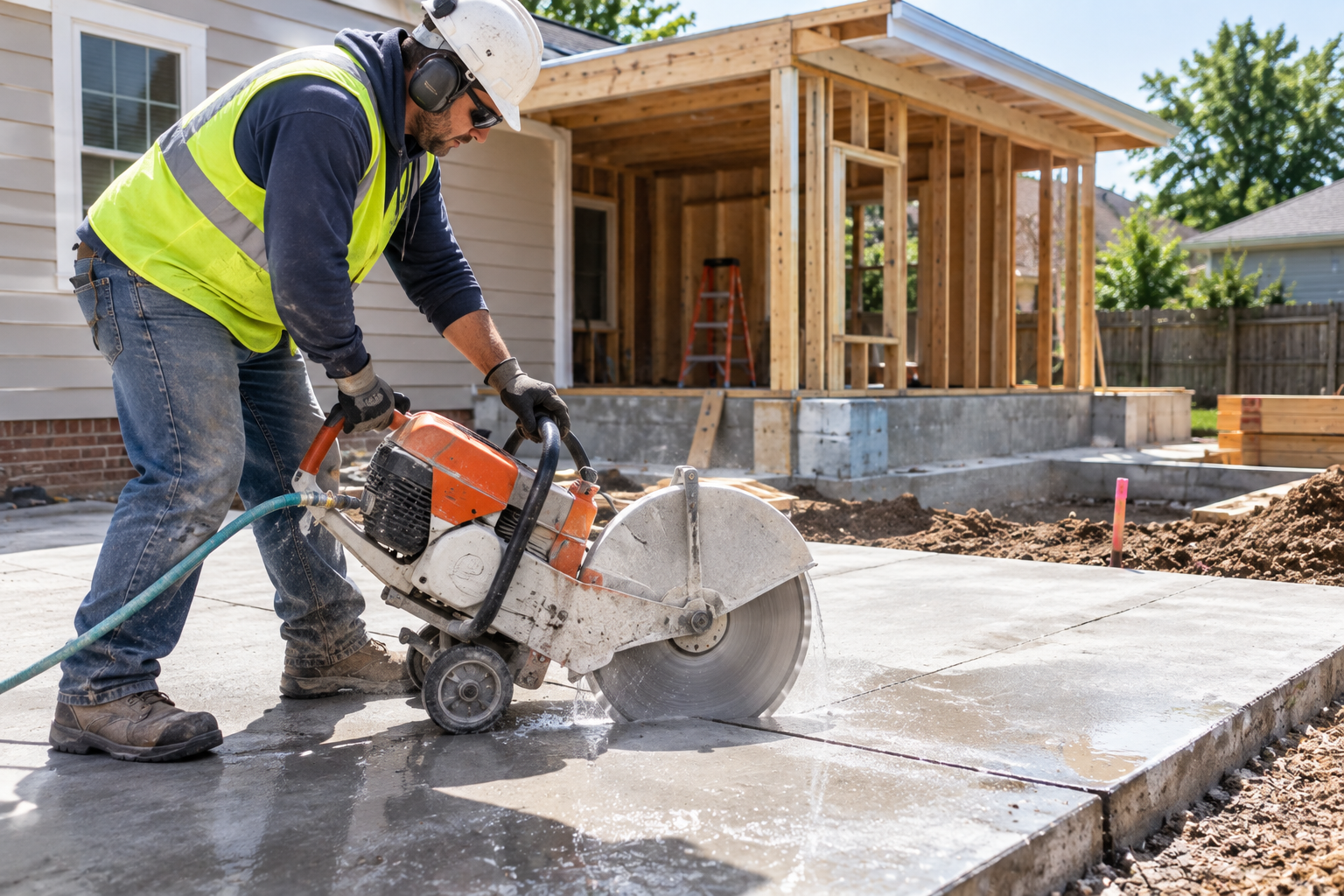
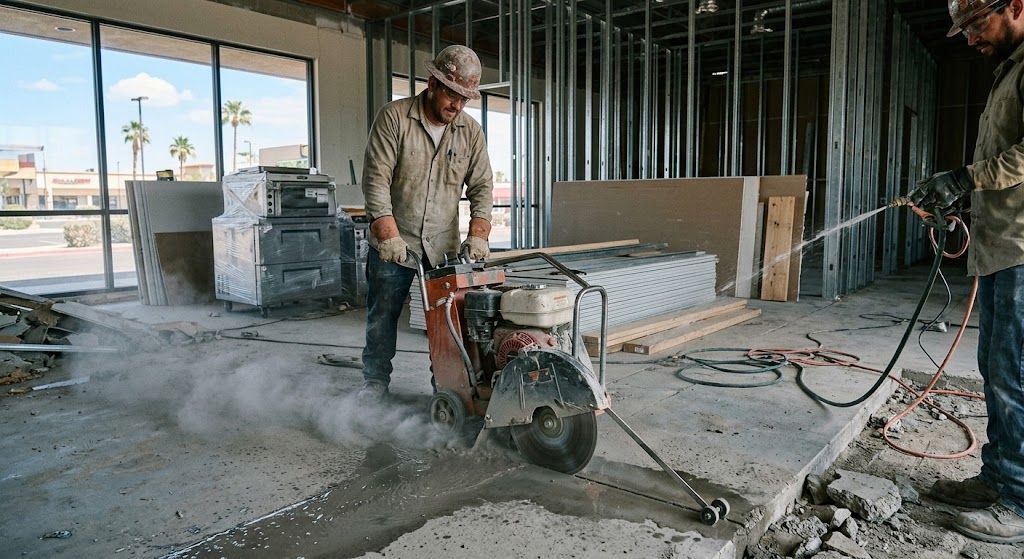
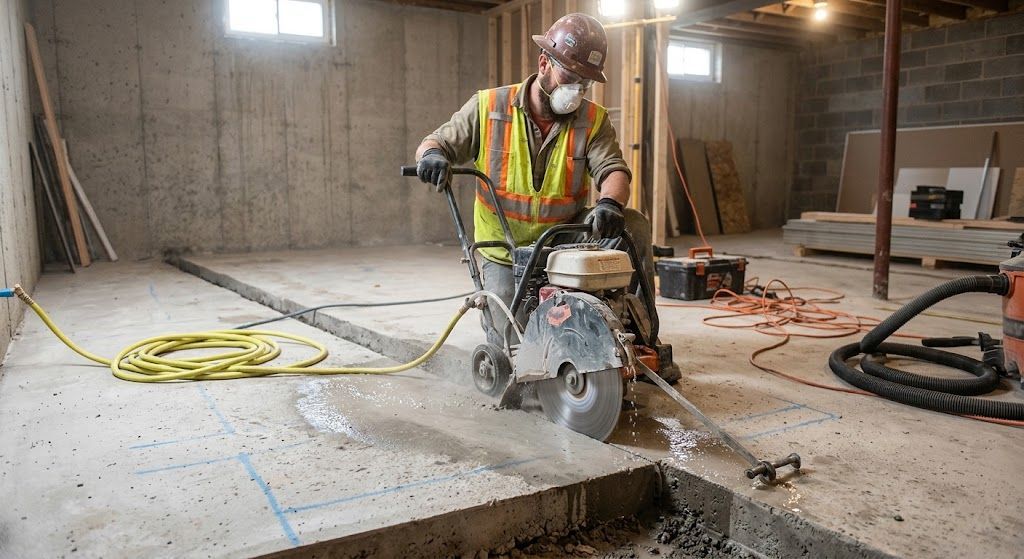
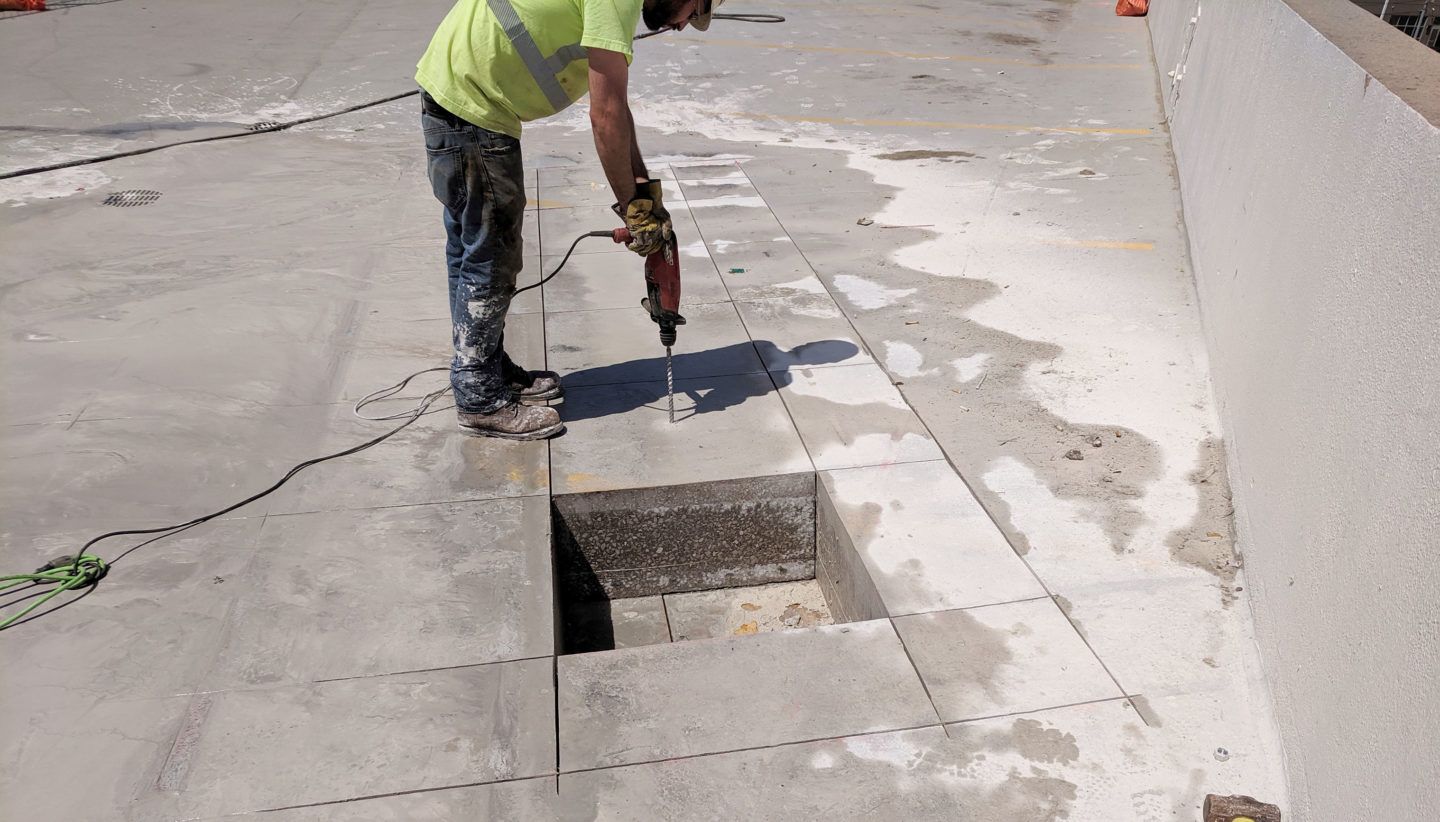
If the approved design requires an under-slab route, a concrete cutting contractor may create a trench through the floor.
The typical sequence includes:
- The mechanical contractor establishes the required utility route.
- The general contractor coordinates the proposed work with the building plans.
- Existing slab conditions and embedded hazards are evaluated.
- The cutting area is marked.
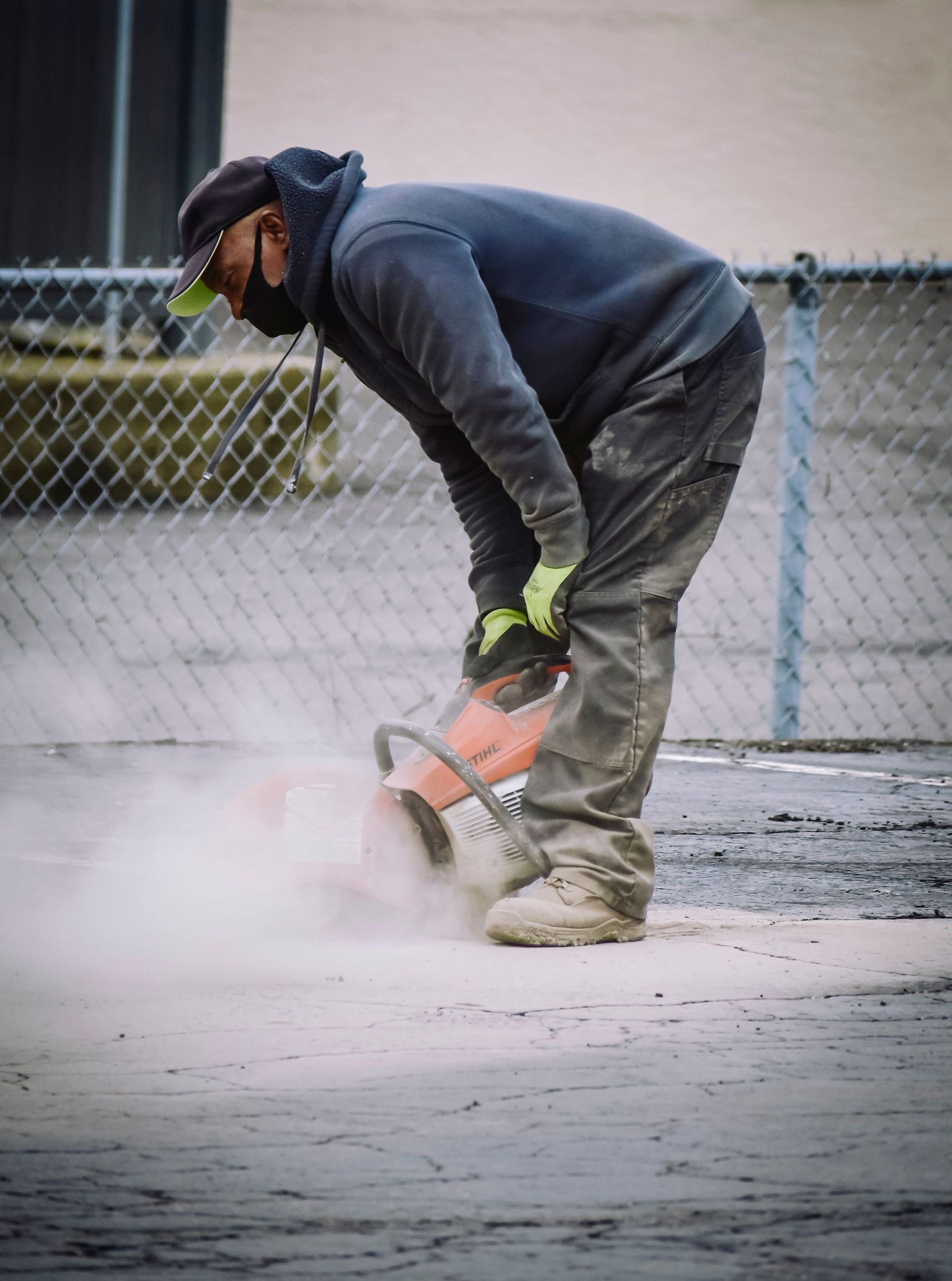
- The concrete is saw-cut along the specified boundaries.
- The designated concrete is removed.
- The mechanical contractor completes the utility installation.
- The area is restored according to the project requirements.
The important advantage is control.
Rather than removing a large section of concrete without a defined purpose, the contractor can establish an opening based on the actual installation requirements.
HVAC Equipment Replacement in Existing Commercial Buildings
Replacing older HVAC equipment can involve more than removing one unit and installing another.
New equipment may have different dimensions, connection locations, or installation requirements.
A commercial building owner might be upgrading equipment as part of a larger renovation or changing the use of the space.
Depending on the approved plans, modifications may be needed around existing concrete.
Examples could include:
- New utility penetrations
- Changes to mechanical access openings
- Removal of designated concrete obstructions
- Modifications to an existing equipment area
- Preparation for a new engineered equipment support system
Not every equipment replacement requires concrete cutting.
The mechanical contractor and project team should first determine whether the existing infrastructure can accommodate the new equipment.
If concrete modification is necessary, specialized cutting can help prepare the area.
Concrete Cutting for Warehouse HVAC Upgrades
Warehouses and industrial buildings present a distinct set of challenges.
These facilities may have large open areas, specialized ventilation requirements, and equipment that must remain operational during construction.
A warehouse HVAC upgrade may involve changes to:
- Mechanical equipment locations
- Ventilation pathways
- Utility connections
- Equipment access
- Building infrastructure
Where existing concrete prevents an approved installation, core drilling, wall sawing, or slab cutting may be required.
For example, a mechanical contractor might need a new penetration through a concrete wall for a utility connection associated with a warehouse equipment upgrade.
The concrete cutting specialist can create the specified opening after the project team has evaluated the location and structural conditions.
This makes concrete cutting an important subcontracting service for mechanical contractors handling industrial and commercial facilities throughout Glendale, Phoenix, and the West Valley.
Why Precision Matters When Cutting Concrete for HVAC
Mechanical installations depend on accurate measurements.
If a penetration is placed incorrectly, it may not align with the equipment or utility route.
That can create additional work for the mechanical contractor.
Professional concrete cutting helps establish openings based on the required dimensions and locations.
Key benefits include:
Controlled opening dimensions: The cut can be planned around the required installation.
Defined work areas: Only the designated concrete needs to be opened.
Better trade coordination: The HVAC contractor knows where the penetration will be located.
Reduced unnecessary demolition: Specialized cutting can avoid removing more material than the project requires.
More predictable project sequencing: Once the opening is complete, the next trade can proceed with its portion of the work.
These advantages are especially important on commercial projects involving multiple subcontractors.
What Should HVAC Contractors Check Before Cutting Begins?
One of the most important steps is confirming what exists inside the concrete.
Depending on the building, concrete walls and slabs may contain:
- Reinforcing steel
- Post-tension tendons
- Electrical conduit
- Plumbing
- Embedded mechanical components
- Other structural elements
Cutting without evaluating these conditions can create serious problems.
Post-tensioned concrete requires particular caution because damaging a tensioned tendon can create safety hazards and structural damage.
For projects involving unknown embedded conditions, the project team may determine that scanning or additional investigation is necessary before cutting.
A concrete cutting contractor should work from an established plan rather than guessing where an opening can safely be made.
Indoor Concrete Cutting and Occupied Commercial Buildings
Many HVAC projects occur inside existing buildings.
That means concrete cutting may need to be coordinated with tenants, employees, property managers, and other contractors.
Before work begins, the project team should consider:
- Equipment access
- Work-zone isolation
- Dust control
- Cutting residue or slurry
- Noise
- Debris removal
- Protection of nearby finishes
- Occupant safety
- Scheduling restrictions
Concrete cutting can generate respirable crystalline silica dust when appropriate controls are not used.
Suitable engineering controls and work practices are important for worker safety.
The project team should also plan how debris and cutting residue will be removed without affecting nearby equipment or occupied areas.
For additional safety information, consult OSHA's construction silica requirements: https://www.osha.gov/laws-regs/regulations/standardnumber/1926/1926.1153
Why HVAC Companies Benefit From a Concrete Cutting Subcontractor
Many mechanical contractors are highly skilled at equipment installation, ductwork, refrigerant piping, and system troubleshooting.
However, specialized concrete cutting is a different trade.
Purchasing and maintaining professional cutting equipment may not make sense for a company that only occasionally needs concrete penetrations.
Working with a concrete cutting specialist allows HVAC contractors to obtain the required openings without diverting their own crews from mechanical work.
This can be particularly valuable when a company handles multiple commercial projects.
A dependable subcontracting relationship can help with:
- Project scheduling
- Defined scopes of work
- Equipment availability
- Coordination between trades
- Consistent cutting methods
- Concrete removal when required
For Adam's, HVAC contractors represent a potentially valuable repeat-customer audience because mechanical upgrades occur across many different building types.
Common Concrete Cutting Mistakes During HVAC Installations
Cutting Before the Mechanical Layout Is Final
Equipment locations and utility routes should be confirmed before concrete is modified.
A last-minute change can make an existing opening unusable.
Choosing the Wrong Cutting Method
A small circular penetration and a large wall opening require different equipment and planning.
The cutting method should match the actual project requirements.
Ignoring Structural Considerations
Concrete walls and slabs may contain structural components that cannot be altered without review.
The appropriate project professionals should approve modifications before cutting begins.
Failing to Coordinate With Other Trades
Mechanical, electrical, plumbing, and general construction work may all affect the same area.
Contractors should confirm that the proposed opening will not interfere with another system.
Forgetting About Concrete Removal
Creating a cut is not always the same as removing the material.
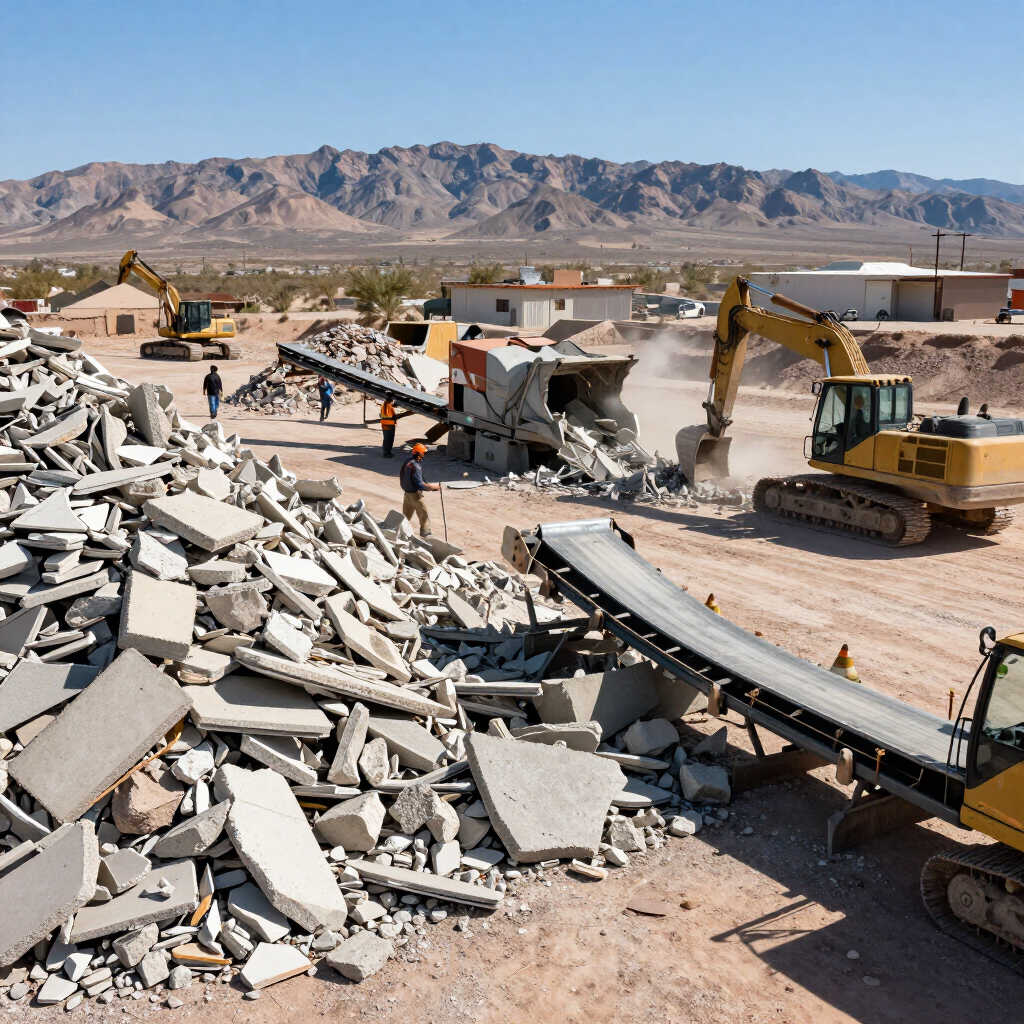
The project scope should identify who is responsible for breaking, handling, and disposing of the concrete.
Waiting Until Installation Day
If a mechanical crew arrives before the required concrete opening is ready, installation may be delayed.
Concrete cutting should be scheduled as part of the construction sequence.
How to Request an Estimate for HVAC Concrete Cutting
Mechanical contractors and general contractors can help the estimating process by providing clear project information.
Useful details include:
- Project location
- Type of building
- Concrete wall or slab location
- Approximate concrete thickness, if known
- Required opening dimensions
- Number of penetrations
- Available plans
- Site access limitations
- Whether concrete removal is required
- Desired project schedule
Photos of the work area may also help explain the scope.
If the project involves structural concrete, the contractor should identify any engineering requirements before scheduling the cutting work.
The more complete the information, the easier it is to understand the requested service.
Concrete Cutting for HVAC Contractors Throughout Glendale and the West Valley
Adam's Concrete Cutting and Demolition serves residential, commercial, and industrial customers throughout Glendale and surrounding communities.
Service areas include:
- Glendale
- Peoria
- Surprise
- Avondale
- Goodyear
- Phoenix
- Sun City
- El Mirage
- Surrounding West Valley communities
For HVAC contractors and mechanical companies working across these areas, Adam's can provide specialized concrete cutting services when an installation requires access through existing concrete.
Whether the project involves a core-drilled utility penetration, a specified wall opening, or selective slab removal, the goal is to prepare the concrete so the mechanical installation can move forward.
Frequently Asked Questions About Concrete Cutting for HVAC
Do HVAC contractors need concrete cutting services?
Some do, particularly during commercial renovations, equipment upgrades, and installations involving existing concrete walls or slabs. The need depends on the building and mechanical design.
Can concrete core drilling be used for HVAC lines?
Yes. Core drilling can create circular penetrations for appropriately designed mechanical and utility connections. The location and dimensions should be established by the project team.
Can Adam's cut openings through concrete walls?
Adam's Concrete Cutting and Demolition provides wall sawing services. Structural modifications should be reviewed and approved by the responsible project professionals before cutting begins.
Can concrete be cut inside an occupied commercial building?
Depending on site conditions, concrete cutting can be performed indoors with appropriate planning, access controls, dust management, and coordination with building operations.
Can a concrete cutting contractor work directly with an HVAC subcontractor?
Yes. Concrete cutting specialists commonly support other trades by creating openings and access points required for their installations.
Why Choose Adam's Concrete Cutting and Demolition?
Mechanical contractors need concrete cutting services that fit into their construction schedule and support the work that follows.
Adam's Concrete Cutting and Demolition brings more than 25 years of industry experience to residential, commercial, and industrial projects.
Services include:
- Concrete core drilling
- Wall sawing
- Flat sawing
- Concrete slab cutting
- Concrete trench cutting
- Concrete removal
- Selective demolition
We work with general contractors, mechanical contractors, property managers, and other construction professionals who need concrete cut, drilled, or removed for an active project.
Our role is straightforward: provide the required concrete access so the next trade can complete its work.
Need Concrete Cutting for an HVAC Project in Glendale, AZ?
If your HVAC installation, commercial equipment upgrade, or mechanical renovation requires an opening through existing concrete, contact a contractor who specializes in concrete cutting.
Adam's Concrete Cutting and Demolition serves HVAC companies, mechanical contractors, general contractors, property managers, and businesses throughout Glendale and the West Valley.
Whether you need a core-drilled penetration, a concrete wall opening, or selective slab cutting, Adam's can help with the concrete portion of the project.
Call (623) 444-4195 or email concretecutting@live.com to discuss your project and request an estimate.
When existing concrete is preventing your mechanical installation from moving forward, Adam's Concrete Cutting and Demolition can help you get through it.