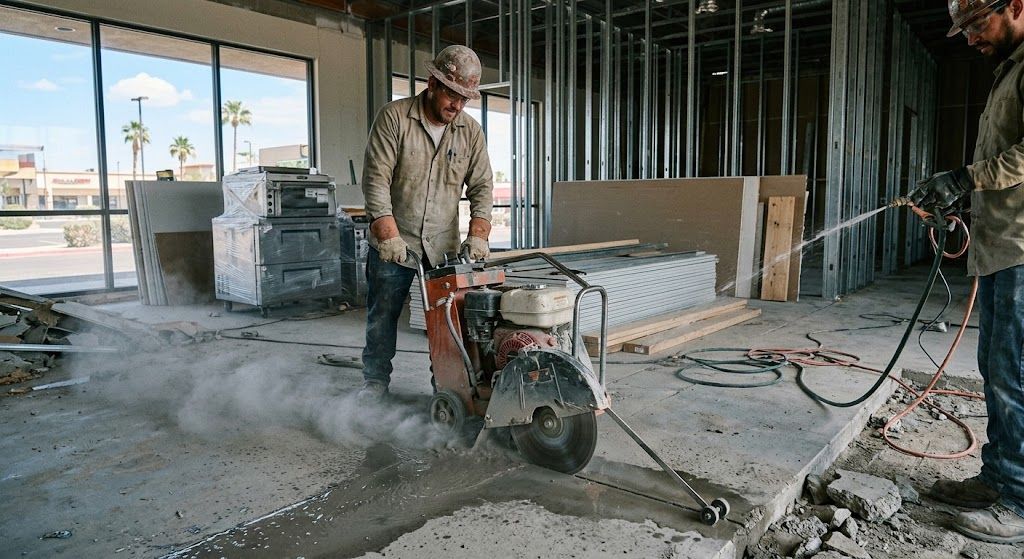
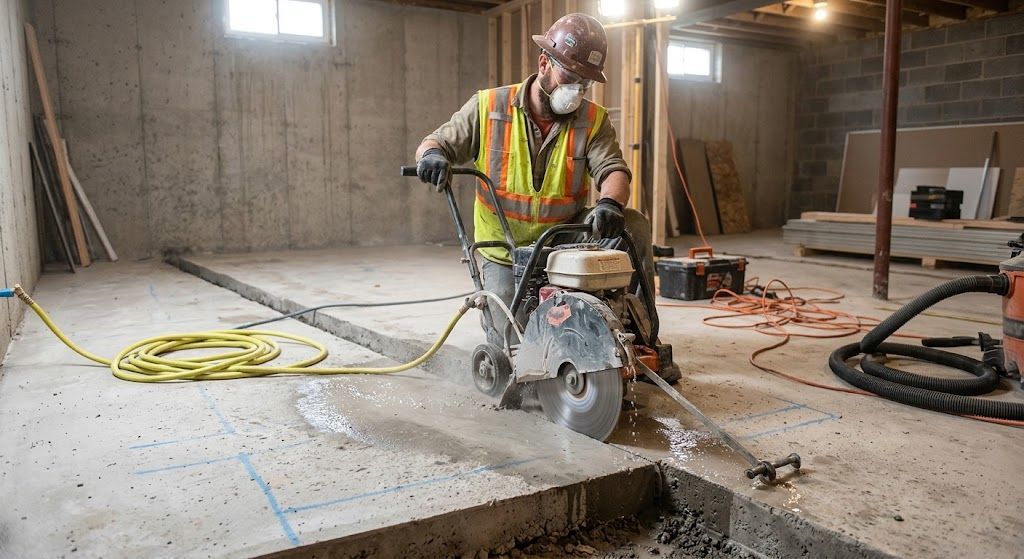
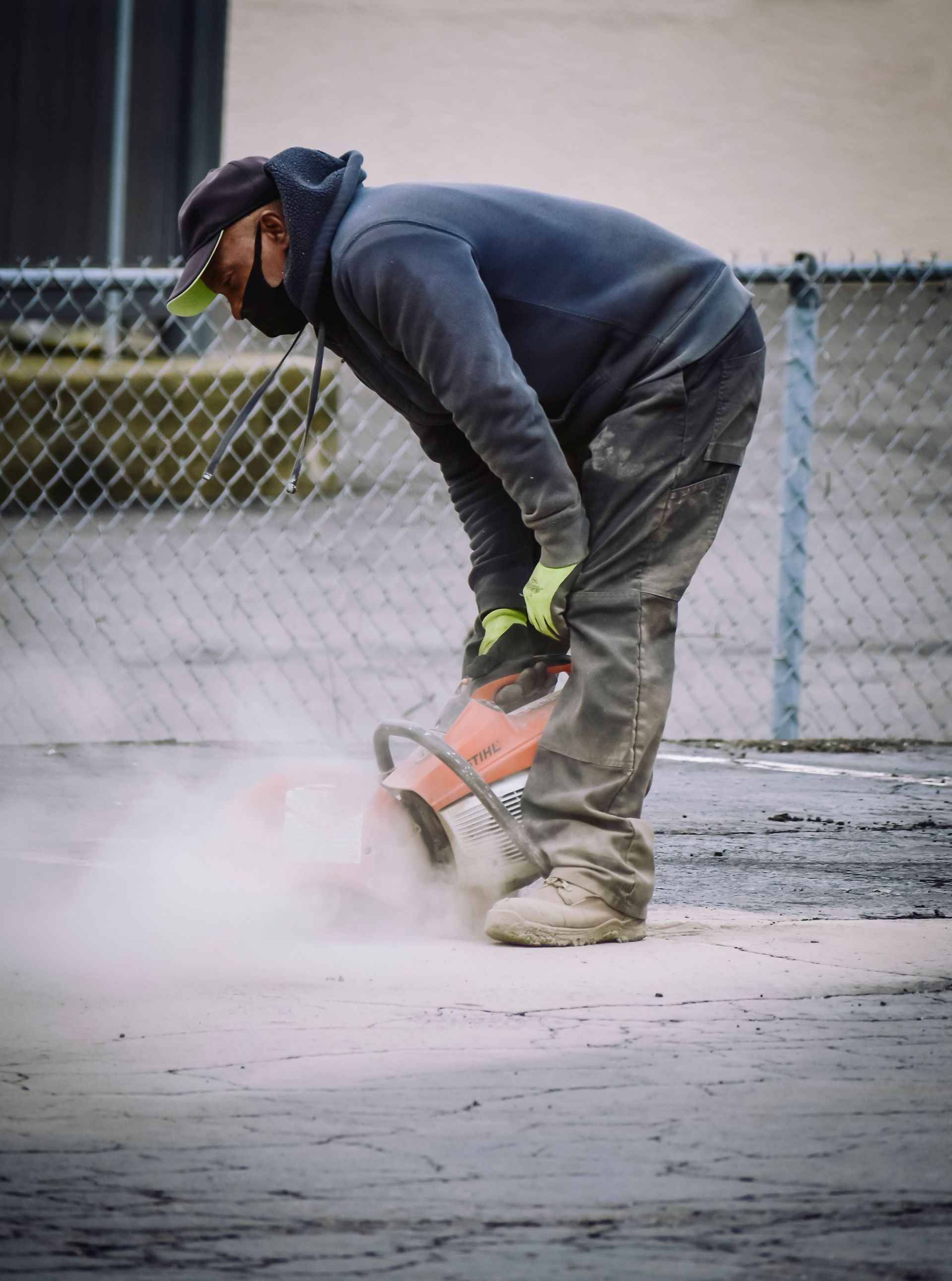
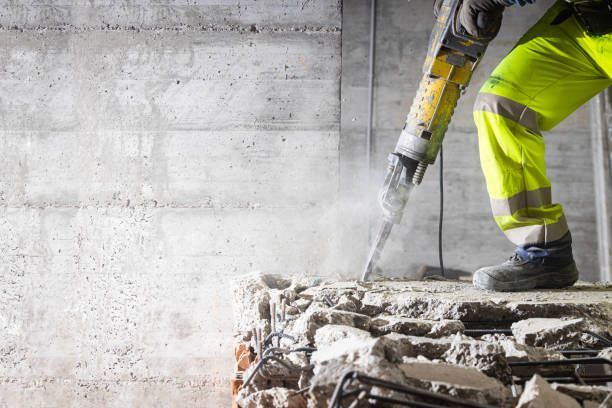
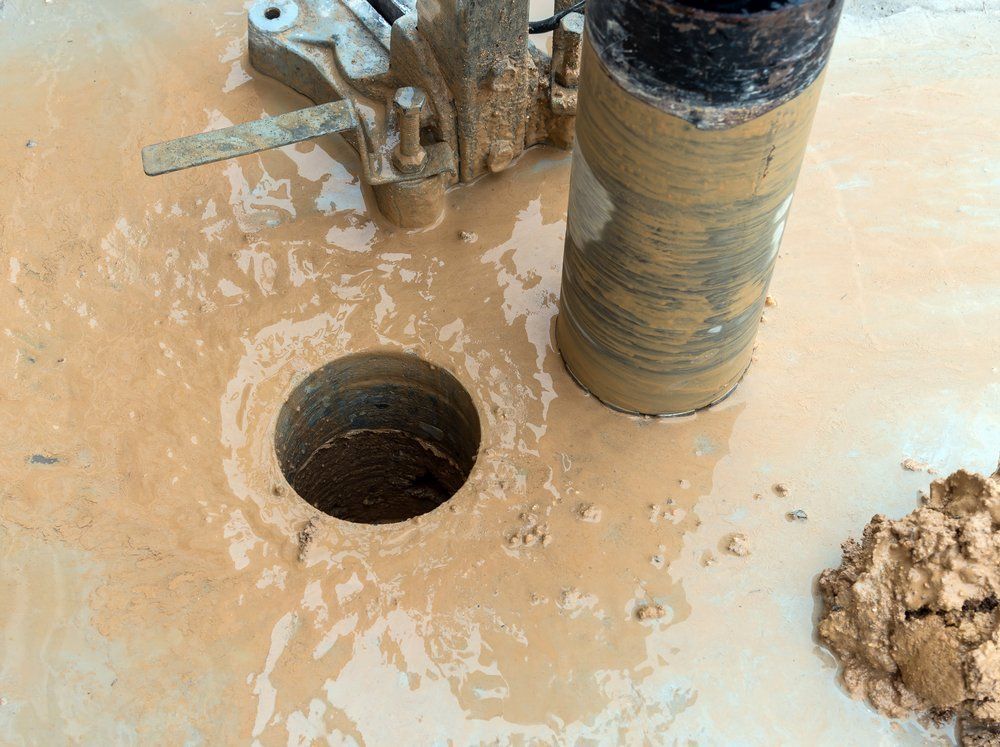
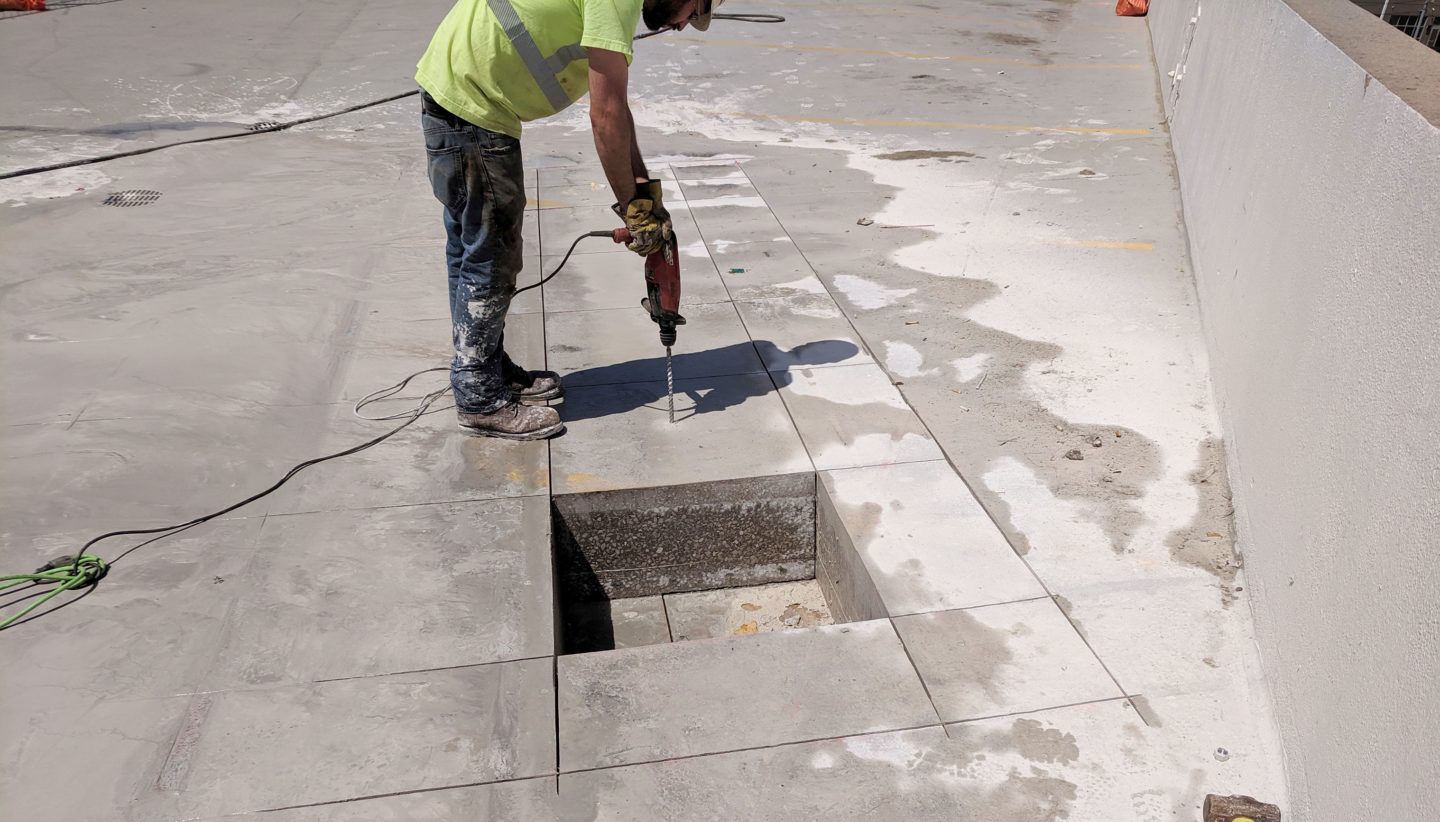
When most people think about a concrete cutting project, they picture diamond blades, saws, and demolition equipment. What many don't realize is that one of the most important parts of the job happens before the first cut is ever made.
Professional concrete scanning is a critical step that helps identify hidden obstacles inside concrete slabs, walls, and foundations before cutting begins. Whether you're remodeling your home, expanding a commercial building, or installing new plumbing or electrical systems, knowing what's inside the concrete can prevent thousands of dollars in damage—and more importantly, protect everyone on the job site.
At Adam's Concrete Cutting and Demolition, we believe that successful projects begin with careful planning. That's why concrete scanning is an important part of many residential, commercial, and industrial jobs we perform throughout Glendale, Peoria, Surprise, Phoenix, and surrounding Arizona communities.
In this guide, we'll explain how concrete scanning works, when it's needed, and why it's one of the smartest investments you can make before cutting into any concrete structure.
What Is Concrete Scanning?
Concrete scanning is the process of inspecting concrete using advanced technology to locate hidden objects embedded inside the slab or wall before any cutting, drilling, or demolition takes place.
The most common technology used is Ground Penetrating Radar (GPR).
Ground Penetrating Radar sends electromagnetic signals into the concrete and detects changes in density, allowing trained technicians to identify hidden materials without damaging the structure.
Concrete scanning can locate:
- Reinforcing steel (rebar)
- Post-tension cables
- Electrical conduit
- Water lines
- Gas lines
- PVC piping
- Voids beneath slabs
- Embedded structural components
Unlike exploratory demolition, concrete scanning is completely non-destructive.
Why Concrete Scanning Is So Important
Many homeowners assume concrete is simply solid material all the way through.
In reality, modern concrete often contains a network of reinforcement and utilities that cannot be seen from the surface.
Cutting without scanning can result in:
- Damaged plumbing
- Severed electrical conduit
- Broken post-tension cables
- Structural weakening
- Expensive repairs
- Project delays
- Serious safety hazards
A relatively small investment in scanning can prevent major financial losses later.
Arizona Homes Frequently Contain Hidden Hazards
Many homes built throughout Glendale and the Phoenix metro area after the early 1990s were constructed using post-tension foundations.
These slabs contain steel cables stretched under thousands of pounds of tension.
If one of these cables is accidentally cut, it can:
- Snap with tremendous force
- Damage the foundation
- Require engineering repairs
- Delay the entire project
- Create serious safety risks
This is one reason professional contractors never assume it's safe to cut into a slab without first determining what's inside.
When Should Concrete Be Scanned?
While not every project requires scanning, it's strongly recommended whenever structural concrete or unknown conditions are involved.
Common situations include:
Kitchen Remodels
Adding an island sink or relocating plumbing often requires trenching through the slab.
Scanning helps identify:
- Existing plumbing
- Electrical conduit
- Reinforcement
- Post-tension cables
Bathroom Renovations
Installing new showers, tubs, or relocating toilets usually involves cutting into the foundation.
Scanning prevents accidental damage to hidden systems.
Garage Conversions
Garage conversions often require:
- Plumbing installation
- Electrical upgrades
- HVAC modifications
Because garage slabs frequently contain reinforcement, scanning is an essential first step.
Commercial Tenant Improvements
Retail stores, restaurants, offices, and warehouses often require concrete cutting during renovations.
Scanning helps contractors avoid:
- Utility interruptions
- Structural damage
- Costly change orders
Industrial Facilities
Manufacturing plants frequently contain extensive underground infrastructure.
Concrete scanning helps locate:
- Utility conduits
- Drainage systems
- Structural reinforcement
This keeps production downtime to a minimum.
How Ground Penetrating Radar Works
Ground Penetrating Radar works by transmitting radio waves into the concrete.
When those waves encounter different materials, they bounce back to the scanner.
The technician interprets these signals to identify:
- Metal reinforcement
- Plastic piping
- Empty voids
- Changes in concrete thickness
The information is then marked directly on the concrete surface so cutting crews know exactly where it is safe to work.
What Happens After the Scan?
Once scanning is complete, technicians clearly mark:
- Safe cutting paths
- Utility locations
- Reinforcement zones
- Areas requiring caution
These markings allow the cutting crew to adjust the cutting plan before any damage occurs.
This proactive approach saves time throughout the entire project.
Benefits of Concrete Scanning
Improved Safety
Protecting workers is always the top priority.
Scanning reduces the risk of:
- Electrical shock
- Gas line damage
- Flying debris from damaged post-tension cables
Lower Repair Costs
Repairing damaged utilities or structural components can cost thousands of dollars.
Scanning helps eliminate these unnecessary expenses.
Faster Project Completion
Unexpected utility strikes often stop projects immediately.
Knowing what's inside the slab allows work to proceed without interruption.
Better Accuracy
Contractors can install:
- Plumbing
- Electrical conduit
- HVAC systems
- Anchor bolts
exactly where they need to be.
Peace of Mind
Perhaps the greatest benefit is confidence.
Everyone involved—from homeowners to general contractors—knows the work is being performed safely and professionally.
Common Misconceptions About Concrete Scanning
"It's only necessary on commercial buildings."
False.
Many residential slabs contain post-tension cables, plumbing, electrical conduit, and reinforcement.
"My house is old, so I don't need scanning."
Older homes may contain unexpected additions, abandoned utilities, or undocumented repairs.
Scanning is often just as valuable in older properties.
"Scanning is too expensive."
Compared to repairing a damaged post-tension cable or underground water line, scanning is one of the most affordable forms of insurance available during construction.
Why Experience Matters
Owning advanced equipment is only part of the equation.
Interpreting GPR results requires training and experience.
Professional technicians know how to distinguish between:
- Rebar
- Conduit
- Post-tension cables
- Utility crossings
- Structural anomalies
Incorrect interpretation can be almost as dangerous as skipping the scan entirely.
Frequently Asked Questions
Is concrete scanning always required?
Not always, but it is highly recommended whenever cutting or drilling into structural concrete or slabs with unknown conditions.
Can concrete scanning find plastic pipes?
Yes. Ground Penetrating Radar can often detect PVC and other non-metallic utilities depending on depth and surrounding conditions.
How long does scanning take?
Most residential scans can be completed within one to two hours. Larger commercial projects may require additional time.
Does scanning damage the concrete?
No. Concrete scanning is completely non-destructive.
Can scanning detect every object inside the slab?
While GPR is extremely accurate, results depend on slab thickness, material composition, moisture conditions, and other factors. Experienced technicians help interpret the findings and recommend the safest cutting approach.
Why Glendale Contractors Trust Adam's Concrete Cutting and Demolition
For more than 25 years, Adam's Concrete Cutting and Demolition has helped homeowners, builders, engineers, and commercial contractors complete projects safely and efficiently throughout the West Valley.
Our services include:
- Concrete scanning coordination
- Flat sawing
- Wall sawing
- Core drilling
- Concrete trenching
- Concrete demolition
- Slab removal
- Residential projects
- Commercial projects
- Industrial concrete cutting
We understand that every successful project begins with proper planning, and we take the time to ensure every cut is made with precision and safety in mind.
Schedule Your Concrete Cutting Project with Confidence
Before cutting into any slab, wall, or foundation, make sure you know what's beneath the surface.
Adam's Concrete Cutting and Demolition provides professional concrete cutting services backed by decades of experience, modern equipment, and a commitment to safety on every project.
We proudly serve homeowners, contractors, and businesses throughout:
- Glendale
- Peoria
- Surprise
- Avondale
- Goodyear
- Phoenix
- Sun City
- El Mirage
- The surrounding West Valley communities
Call (623) 444-4195 today or email concretecutting@live.com to request a free estimate.
When precision matters, trust the professionals at Adam's Concrete Cutting and Demolition to help your project start—and finish—the right way.