Modern construction projects require precision. Whether you're installing plumbing lines, electrical conduit, HVAC systems, fire suppression equipment, or structural anchors, creating clean openings in concrete is a critical part of the process.
That's where
concrete core drilling comes in.
Unlike traditional drilling methods that can crack, chip, or weaken concrete, core drilling provides a clean, precise solution for creating circular openings in concrete, masonry, and asphalt. From residential remodels to large-scale commercial developments, core drilling has become one of the most important services in the construction industry.
At Adam's Concrete Cutting and Demolition, we provide professional core drilling services throughout Glendale, Peoria, Surprise, Phoenix, and surrounding Arizona communities. With more than 25 years of experience, we've helped contractors, homeowners, engineers, and developers complete projects safely and efficiently.
If you're considering a construction, renovation, or utility installation project, understanding how core drilling works can help you make better decisions and avoid costly mistakes.
What Is Concrete Core Drilling?
Concrete core drilling is a process that uses a hollow, diamond-tipped drill bit to create perfectly round openings through concrete surfaces.
Instead of breaking or crushing concrete, the drill removes a cylindrical section known as a "core."
This technique allows contractors to create precise openings while minimizing vibration, noise, and structural impact.
Core drilling can be performed through:
- Concrete slabs
- Concrete walls
- Foundations
- Block walls
- Brick structures
- Asphalt surfaces
- Reinforced concrete
Depending on the project, holes can range from less than an inch to several feet in diameter.
How Concrete Core Drilling Works
Professional core drilling involves several important steps.
Site Evaluation
Before drilling begins, technicians inspect the area and determine:
- Hole size requirements
- Drilling depth
- Material thickness
- Reinforcement concerns
- Utility locations
This planning stage is critical to prevent damage and ensure accuracy.
Concrete Scanning
In many cases, ground-penetrating radar (GPR) is used to identify:
- Rebar
- Post-tension cables
- Electrical conduit
- Water lines
- Structural components
Scanning helps prevent costly and dangerous mistakes.
Equipment Setup
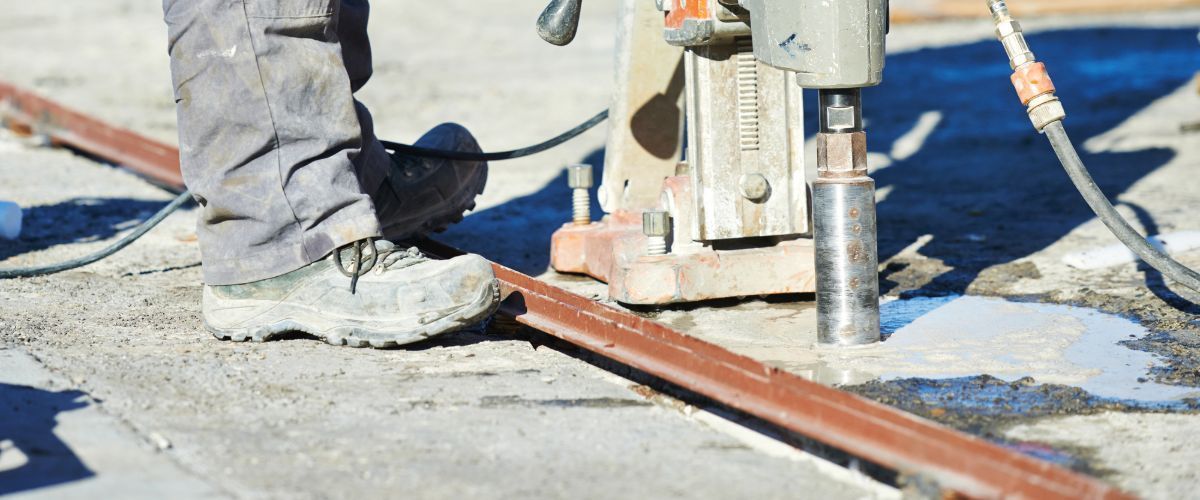
The drilling rig is anchored securely to ensure stability during operation.
Depending on the project, drilling may be performed:
- Vertically
- Horizontally
- At an angle
Drilling Process
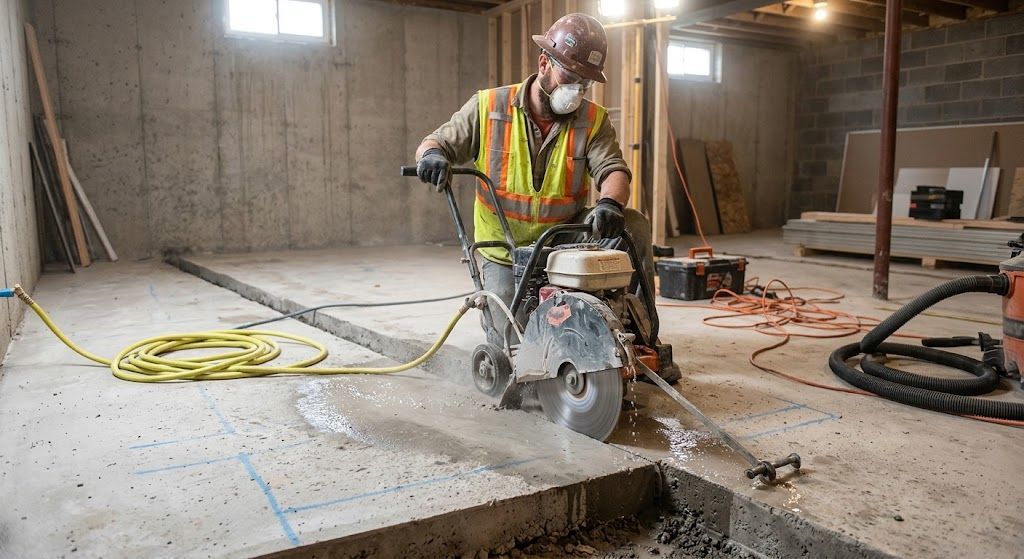
The diamond-tipped bit rotates through the concrete while water cools the cutting surface and suppresses dust.
The result is a clean opening with minimal disruption to surrounding materials.
Core Removal and Cleanup
Once drilling is complete, the concrete core is removed and the area is cleaned, leaving a smooth, professional opening ready for installation work.
Common Applications for Concrete Core Drilling
Core drilling is used across nearly every sector of construction.
Plumbing Installations
One of the most common reasons for core drilling is creating openings for:
- Water supply lines
- Drain pipes
- Sewer systems
- Irrigation systems
Precise hole placement helps ensure proper installation and code compliance.
Electrical Systems
Electricians often require core-drilled openings for:
- Conduit runs
- Communication cables
- Fiber optic installations
- Security systems
Core drilling provides a clean path without damaging surrounding concrete.
HVAC Installations
Heating and cooling systems frequently require openings for:
- Ductwork
- Ventilation systems
- Refrigerant lines
- Exhaust systems
The accuracy of core drilling makes it ideal for these applications.
Fire Protection Systems
Commercial buildings often require penetrations for:
- Sprinkler systems
- Fire suppression piping
- Alarm system infrastructure
These installations demand precision to meet safety regulations.
Structural Testing
Engineers may remove concrete cores to:
- Test strength
- Analyze composition
- Verify construction quality
This is especially common during inspections and renovations.
Residential Uses for Core Drilling
Many homeowners are surprised to learn how often core drilling is used in residential projects.
Common examples include:
Kitchen Remodels
New plumbing or gas lines often require concrete penetration beneath the slab.
Bathroom Additions
Installing drains and water lines frequently requires core-drilled openings.
Pool Projects
Pool equipment, drainage systems, and utility installations may require drilling through decks or surrounding concrete.
Outdoor Kitchens
Running electrical and plumbing lines to outdoor entertainment areas often involves core drilling.
Commercial Core Drilling Projects
Commercial properties rely heavily on core drilling services.
Common projects include:
- Office renovations
- Restaurant upgrades
- Retail tenant improvements
- Medical facility expansions
- Hotel remodeling projects
In occupied buildings, the low-vibration nature of core drilling is a major advantage because it minimizes disruption.
Industrial Applications
Industrial environments often require larger and more complex drilling projects.
Examples include:
- Manufacturing facilities
- Distribution centers
- Warehouses
- Utility infrastructure
- Heavy equipment installations
These projects often involve reinforced concrete and require advanced drilling expertise.
Advantages of Concrete Core Drilling
Precision
Core drilling creates clean, exact openings that meet engineering specifications.
Minimal Structural Impact
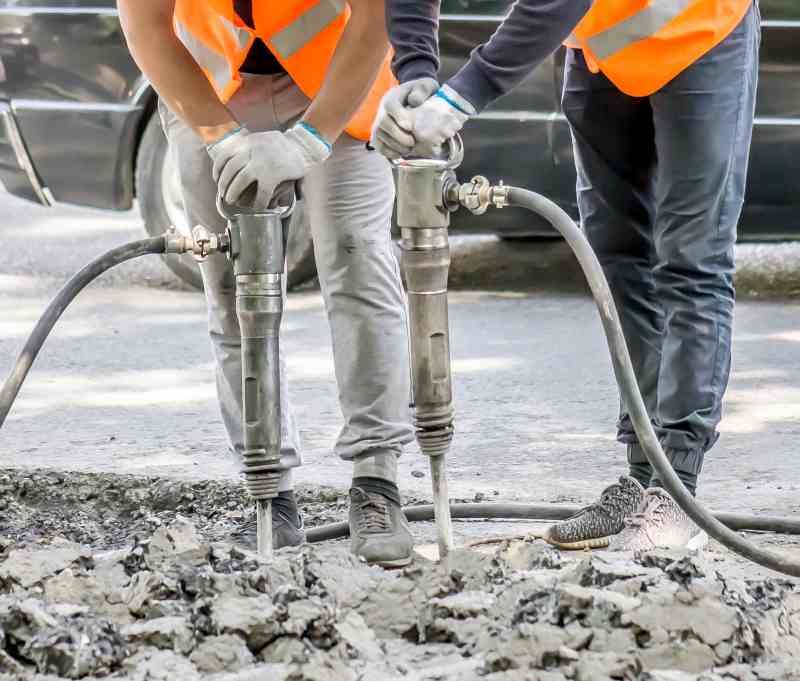
Unlike jackhammering or chipping, core drilling removes only the necessary material.
Reduced Noise
Core drilling is significantly quieter than traditional demolition methods.
Less Dust
Water suppression systems help minimize airborne dust and improve jobsite safety.
Faster Installation
Accurate openings allow plumbers, electricians, and HVAC contractors to complete installations more efficiently.
Why DIY Core Drilling Can Be Risky
Some property owners attempt to perform core drilling themselves using rental equipment.
Unfortunately, this often leads to problems such as:
- Hitting rebar
- Damaging utilities
- Misaligned holes
- Excessive concrete damage
- Equipment failures
Professional operators understand how to safely navigate reinforced concrete and avoid hidden hazards.
Frequently Asked Questions About Core Drilling
How large can a core-drilled hole be?
Core drilling can create openings ranging from less than one inch to several feet in diameter depending on the equipment used.
Can you drill through reinforced concrete?
Yes. Diamond-tipped bits are specifically designed to cut through both concrete and embedded rebar.
Does core drilling create dust?
Very little. Water is typically used throughout the process to suppress dust and cool the drill bit.
How long does core drilling take?
Many residential holes can be completed in less than an hour. Larger commercial projects may require additional time.
Is core drilling safe?
When performed by trained professionals using proper equipment and safety procedures, core drilling is one of the safest methods of concrete modification.
Why Choose Adam's Concrete Cutting and Demolition?
When precision matters, experience matters.
For more than 25 years, Adam's Concrete Cutting and Demolition has provided professional concrete drilling services throughout the Glendale area.
Clients choose us because we offer:
- Experienced operators
- Advanced drilling equipment
- Concrete scanning services
- Residential, commercial, and industrial expertise
- Licensed and insured service (ROC #249502)
- Safe, clean jobsite practices
Our goal is simple: deliver precise results that keep your project moving forward.
Schedule Professional Core Drilling Services Today
Whether you're installing plumbing, electrical systems, HVAC equipment, or structural anchors, professional core drilling can save time, improve accuracy, and reduce risk.
Adam's Concrete Cutting and Demolition proudly serves:
- Glendale
- Peoria
- Surprise
- Avondale
- Goodyear
- Phoenix
- Surrounding Arizona communities
Call
(623) 444-4195
Email
concretecutting@live.com
Contact us today for a free estimate and discover why contractors and homeowners throughout Arizona trust Adam's Concrete Cutting and Demolition.