Concrete cutting is one of those tasks that
looks simple from the outside—but in reality, it requires precision, planning, and experience. A single mistake can lead to
structural damage, safety hazards, project delays, or thousands of dollars in repairs.
Whether you’re a homeowner planning a remodel or a contractor working on a commercial jobsite in Glendale, AZ, understanding the most common mistakes can save you serious time and money.
At Adam’s Concrete Cutting and Demolition, we’ve spent over 25 years correcting improper cuts, preventing avoidable damage, and helping clients get their projects done right the first time.
Here are the
7 most common concrete cutting mistakes—and how to avoid them.
1. Cutting Without Knowing What’s Inside the Concrete
The Mistake:
Starting a cutting or drilling project without scanning the slab.
Why It’s a Big Problem:
Concrete slabs often contain:
- Rebar and reinforcement mesh
- Electrical conduit
- Plumbing lines
- Post-tension cables
Cutting blindly can lead to:
- Electrical hazards
- Flooding from damaged pipes
- Structural failure
- Serious injury
How to Avoid It:
Always perform
GPR (ground-penetrating radar) scanning before cutting—especially in:
- Commercial buildings
- Multi-family housing
- Homes built after the 1990s
This step alone prevents the majority of costly mistakes.
2. Using the Wrong Cutting Method
The Mistake:
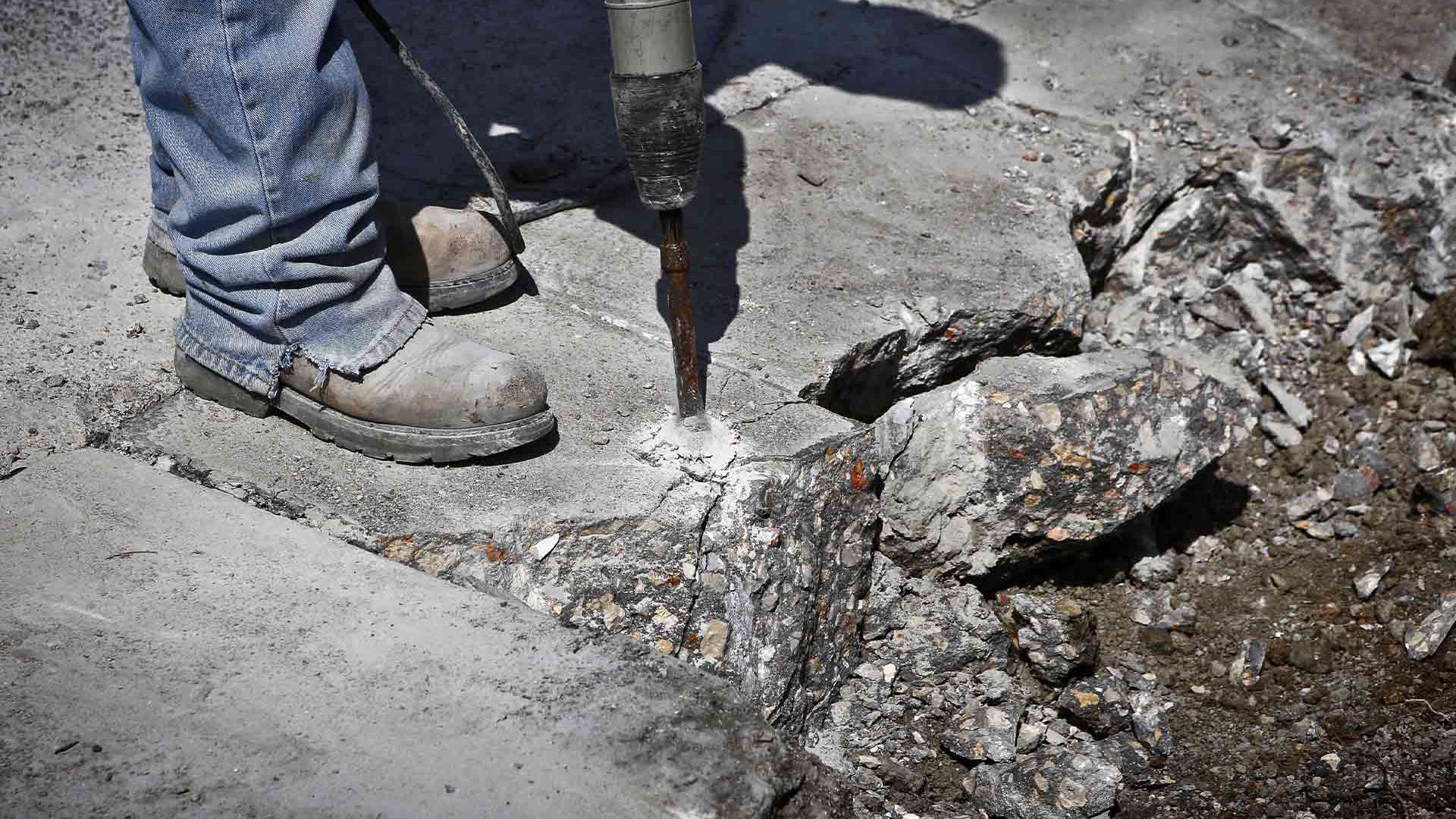
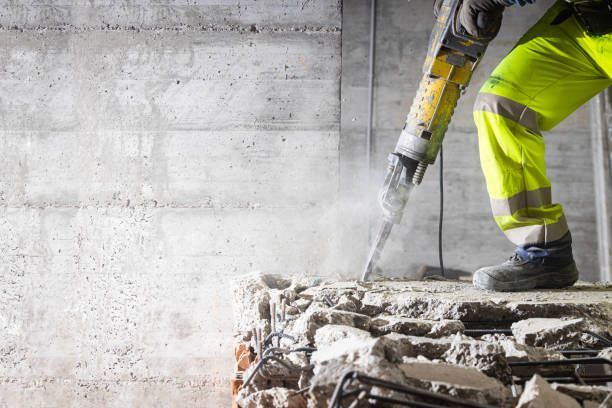
Using jackhammers or incorrect tools instead of precision cutting.
What Happens:
- Jagged edges
- Overbreak beyond the cut area
- Damage to nearby structures
- Increased cleanup time
The Right Approach:
Match the method to the job:
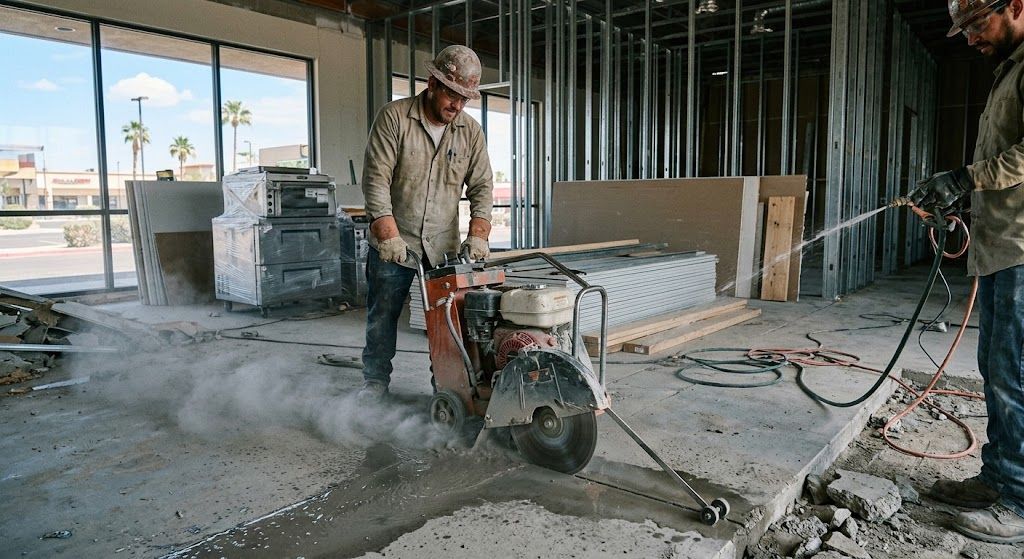
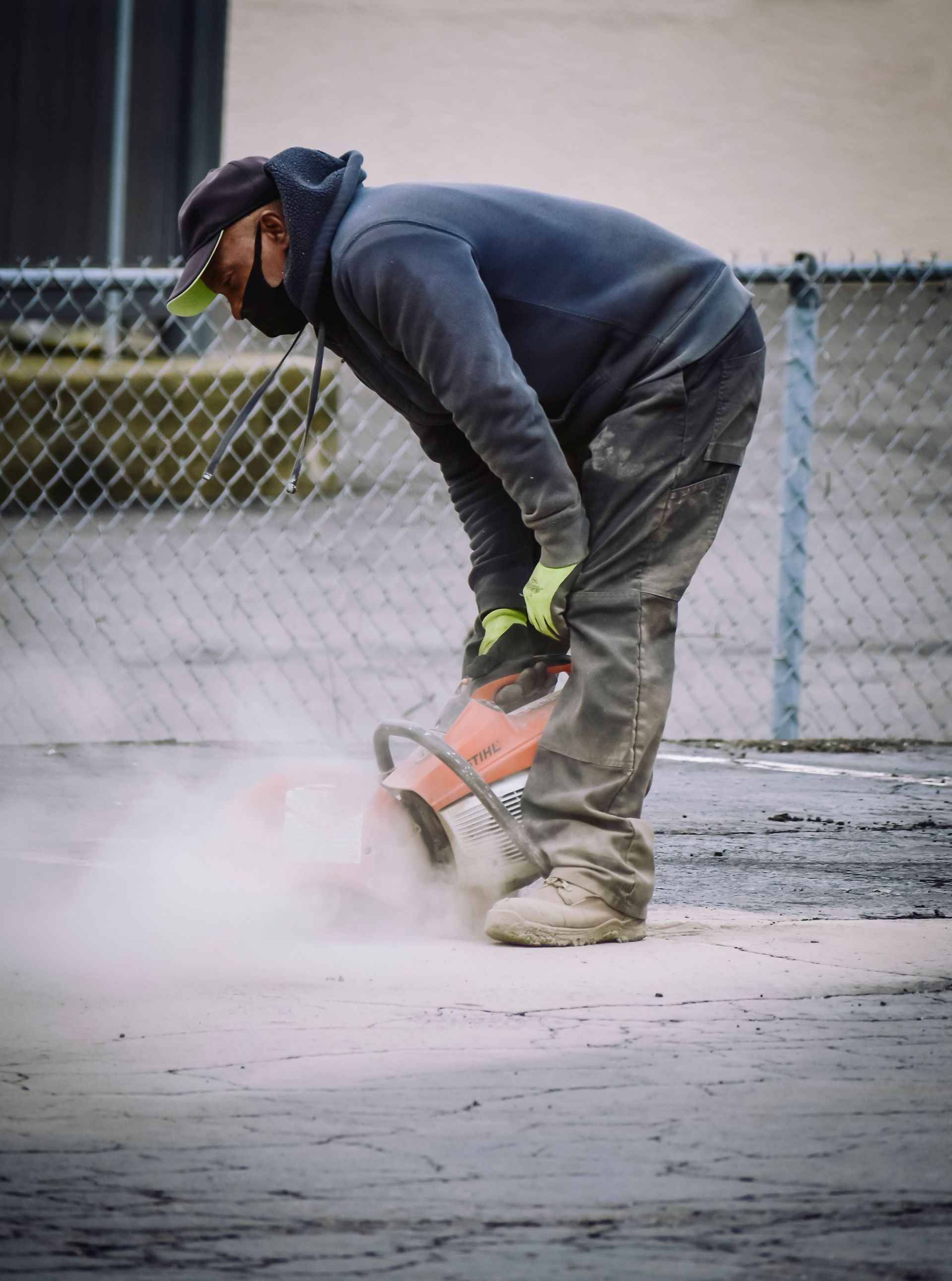
- Flat sawing → for slabs and driveways
- Wall sawing → for vertical cuts and openings
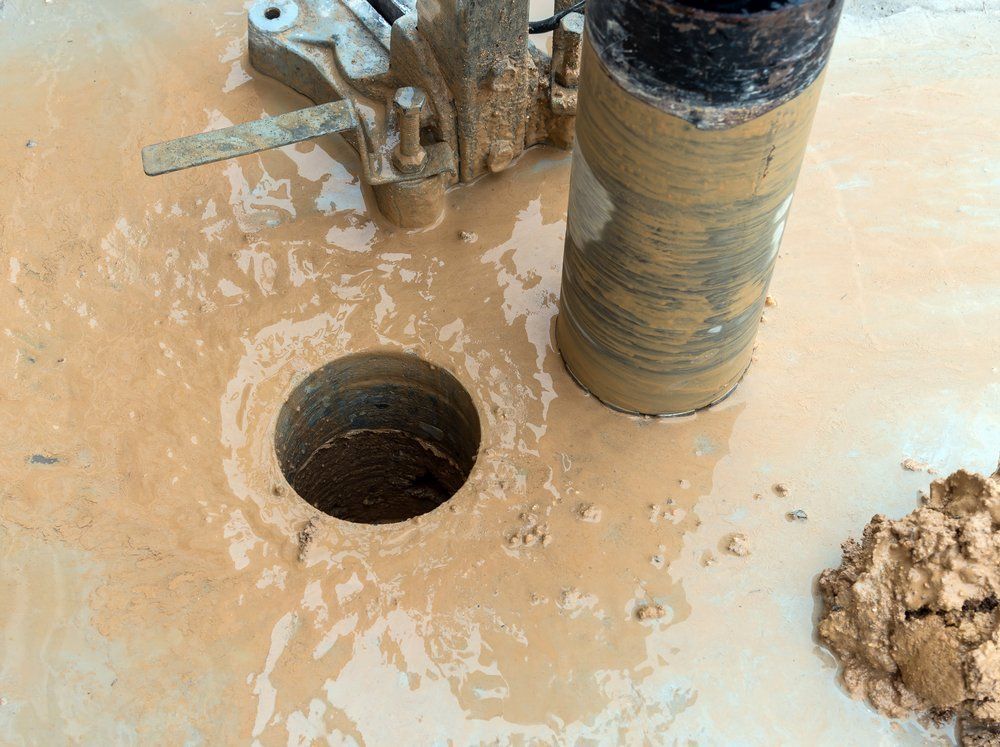
- Core drilling → for pipes and utility holes
Professional tools = cleaner results and fewer problems.
3. Ignoring Structural Integrity
The Mistake:
Cutting into load-bearing slabs or walls without planning.
Risks Involved:
- Weakening the structure
- Creating cracks that spread
- Compromising foundations
- Failing inspections
How to Avoid It:
- Identify whether the area is structural
- Consult a structural engineer when needed
- Work with experienced cutting professionals
Concrete is often part of a larger structural system—never treat it as isolated.
4. Not Checking for Post-Tension Cables
The Mistake:
Cutting into a post-tension slab without verifying cable locations.
Why This Is Dangerous:
Post-tension cables are under extreme pressure. If cut, they can:
- Snap violently
- Cause severe injury
- Compromise the entire slab
Warning Signs:
- “Post Tension Slab” stamped in garage floors
- Homes built after the 1990s
- Commercial or multi-story buildings
Solution:
Always perform
professional scanning before cutting. This is not optional—it’s critical.
5. Skipping Permits and Local Regulations
The Mistake:
Starting work without checking Glendale permit requirements.
Consequences:
- Stop-work orders
- Fines and penalties
- Delays in your project timeline
- Failed inspections
When Permits Are Needed:
- Driveway or sidewalk modifications
- Structural slab cutting
- Utility trenching
- Commercial renovations
Best Practice:
Work with a contractor who understands
local Glendale codes and permitting requirements.
6. Poor Dust and Noise Management
The Mistake:
Using dry cutting methods or uncontrolled demolition.
What This Causes:
- Dust spreading throughout the property
- Silica exposure risks
- Damage to HVAC systems
- Complaints from neighbors or tenants
The Right Way:
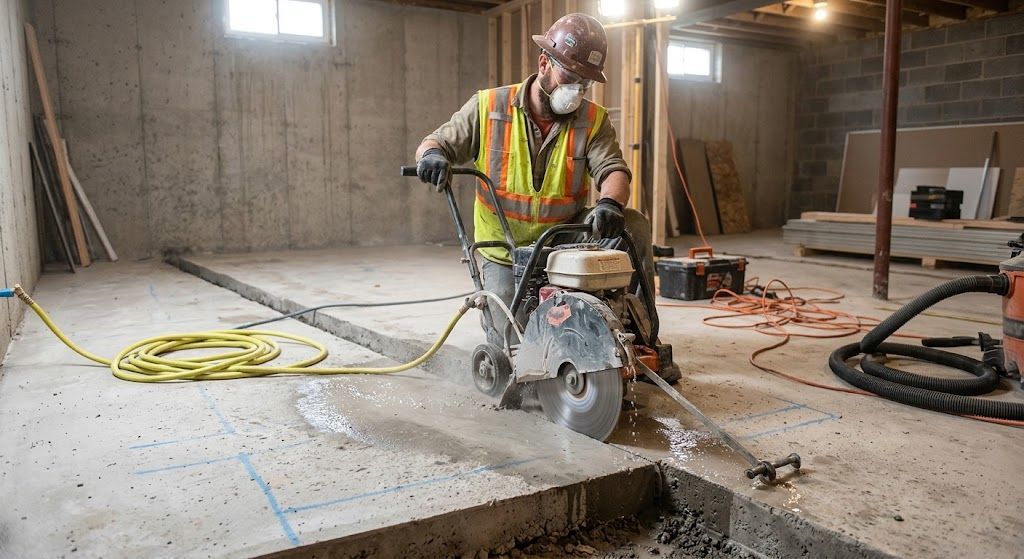
Professional crews use:
- Wet cutting (water suppression)
- HEPA vacuum systems
- Containment barriers
This keeps your property clean and compliant with OSHA standards.
7. Cutting Too Deep—or Not Deep Enough
The Mistake:
Improper depth control during cutting.
Potential Issues:
- Damaging underlying utilities
- Weakening structural components
- Incomplete cuts requiring rework
- Wasted time and labor
How to Avoid It:
Use
depth-controlled equipment and experienced operators who understand:
- Slab thickness
- Reinforcement placement
- Project requirements
Precision is everything in concrete cutting.
8. Hiring the Cheapest Contractor (Bonus Mistake)
The Mistake:
Choosing a contractor based solely on price.
What Usually Happens:
- Inexperienced crews
- Lack of proper equipment
- Corners cut on safety
- Hidden costs from mistakes
The Reality:
Cheap work often becomes expensive when:
- Repairs are needed
- Projects are delayed
- Work must be redone
What to Look For Instead:
- Licensed and insured contractors
- Proven experience (25+ years matters)
- Modern equipment and techniques
- Strong local reputation
Real-World Example: A Costly Mistake in Glendale
A Glendale homeowner hired a low-cost contractor to cut into their slab for plumbing relocation.
What went wrong:
- No scanning was performed
- A conduit line was hit
- Water damage occurred
- Cuts were uneven and required correction
Adam’s Concrete Cutting was brought in to:
- Re-cut the slab properly
- Assist with cleanup
- Prepare for repairs
The final cost?
More than double the original estimate.
Why These Mistakes Are So Common
Concrete cutting mistakes usually come down to:
- Lack of experience
- Improper equipment
- Skipping planning steps
- Trying to save money upfront
The truth is, concrete cutting is
not a DIY-friendly task when structural or utility elements are involved.
How to Ensure a Successful Concrete Cutting Project
To avoid these mistakes, follow these key principles:
✔ Plan Before You Cut
Understand the scope, materials, and risks involved.
✔ Scan the Concrete
Never cut without knowing what’s inside.
✔ Use the Right Tools
Precision equipment makes a major difference.
✔ Hire Experienced Professionals
Experience prevents costly errors.
✔ Follow Local Codes
Stay compliant with Glendale regulations.
FAQs About Concrete Cutting Mistakes
Can a bad cut damage my foundation?
Yes. Improper cuts can weaken structural components and lead to long-term issues.
Is scanning really necessary for small jobs?
Even small cuts can hit utilities or cables. When in doubt—scan.
Can mistakes be repaired?
Yes, but repairs are often expensive and time-consuming.
What’s the most dangerous mistake?
Cutting into post-tension cables without proper scanning.
Why Choose Adam’s Concrete Cutting and Demolition?
When it comes to avoiding mistakes, experience makes all the difference.
We offer:
- 25+ years of hands-on expertise
- Precision cutting and scanning services
- OSHA-compliant safety practices
- Residential, commercial, and industrial solutions
- Fully licensed and insured work (AZ ROC #249502)
We don’t just complete the job—we make sure it’s done
right the first time.
Get Professional Concrete Cutting Done Right
If you’re planning a project in Glendale or the surrounding areas, don’t take risks with your concrete.