Concrete trenching is the process of
cutting narrow channels into existing concrete slabs so contractors can install or repair utilities beneath the surface. These trenches allow plumbers, electricians, HVAC technicians, and other trades to run pipes, conduits, or drainage lines without removing entire slabs.
Instead of demolishing large sections of concrete, trenching allows for
precise, targeted cutting, minimizing disruption to surrounding structures and reducing overall project costs.
At Adam’s Concrete Cutting and Demolition, we perform trench cutting for residential, commercial, and industrial projects across Glendale, AZ and the surrounding West Valley communities.
Why Concrete Trenching Is Often Necessary
Modern buildings rely on complex networks of utilities beneath floors and slabs. Over time, upgrades or repairs may require access to these systems.
Concrete trenching is commonly needed for:
- Plumbing installations or repairs
- Sewer line replacements
- Electrical conduit installation
- Gas line upgrades
- Drainage improvements
- HVAC system retrofits
- Industrial utility routing
Rather than tearing out entire slabs, trench cutting allows contractors to
open only the sections required for work, saving both time and money.
How Concrete Trenching Works
Concrete trenching requires specialized equipment and experienced operators to ensure clean, controlled cuts.
Step 1: Utility Location and Planning
Before cutting begins, it’s critical to identify existing utilities and reinforcement inside the slab. This often involves:
- Calling
811 / Blue Stake Arizona
- Reviewing building plans
- Performing
ground penetrating radar (GPR) scanning
This step prevents accidental damage to electrical conduit, post-tension cables, or water lines.
Step 2: Precision Concrete Saw Cutting
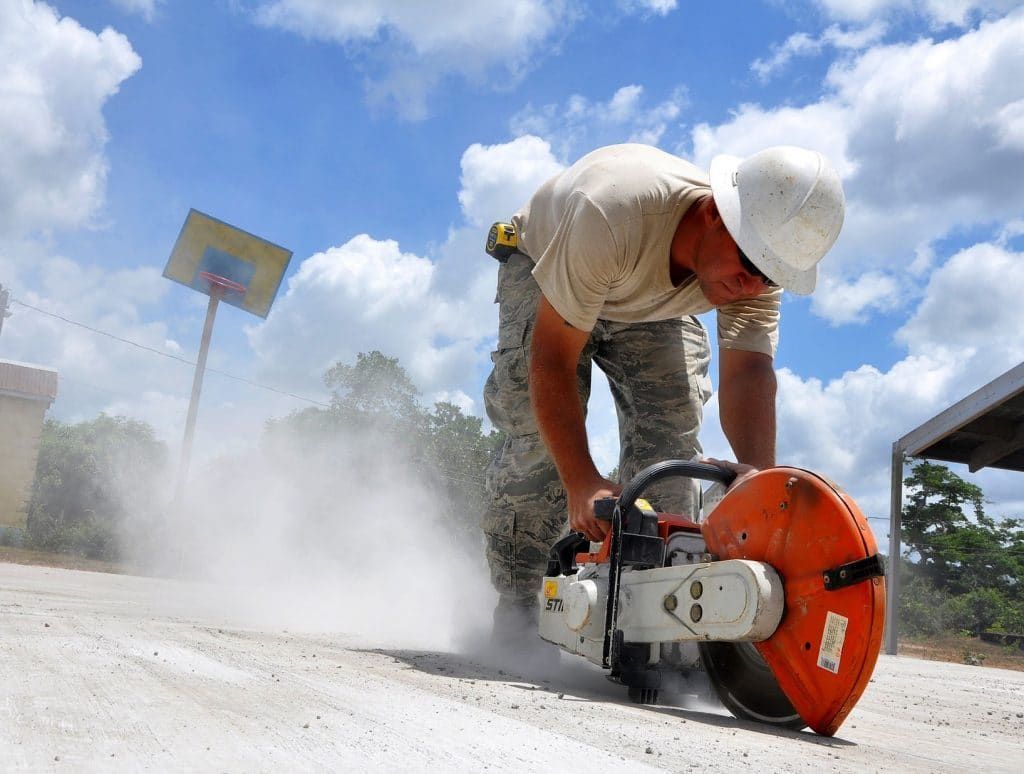
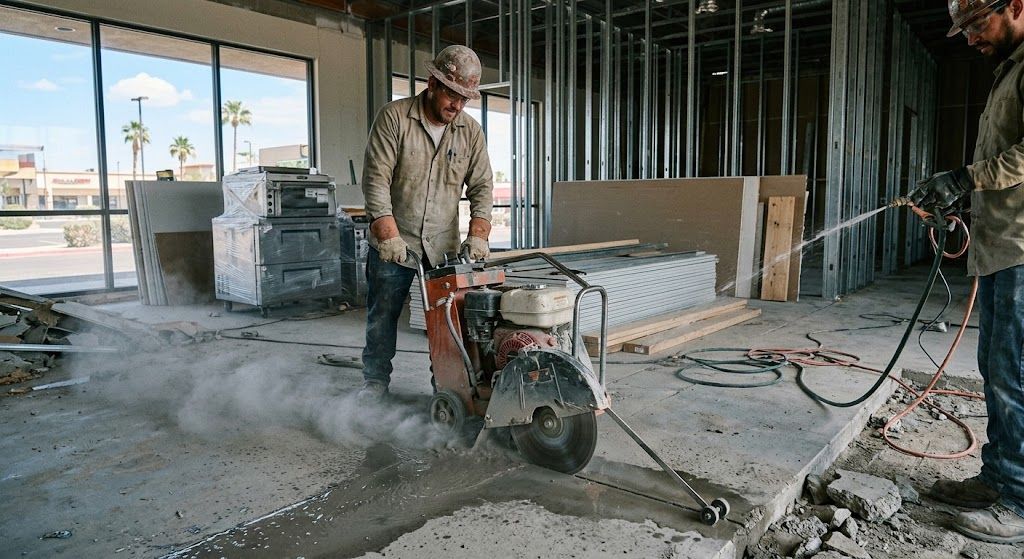
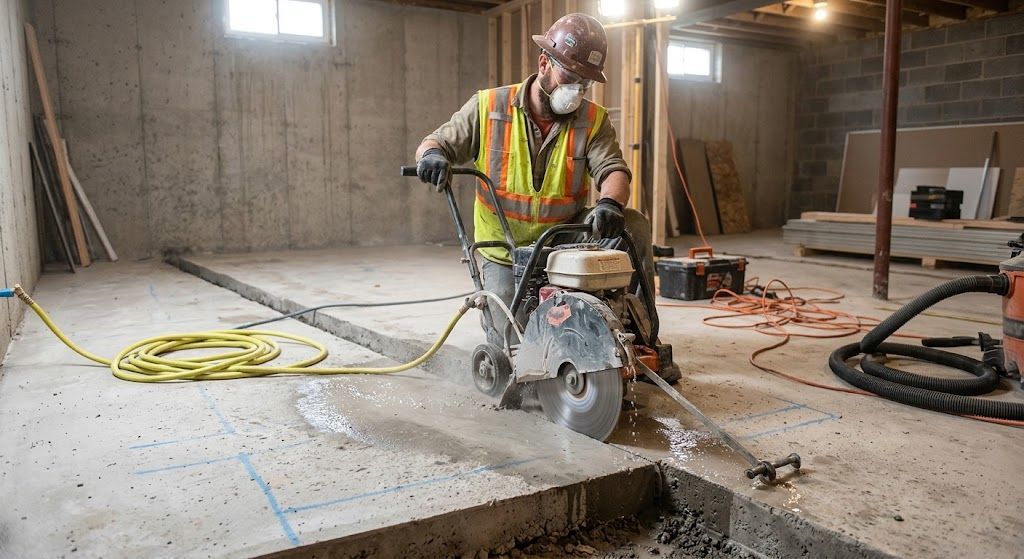
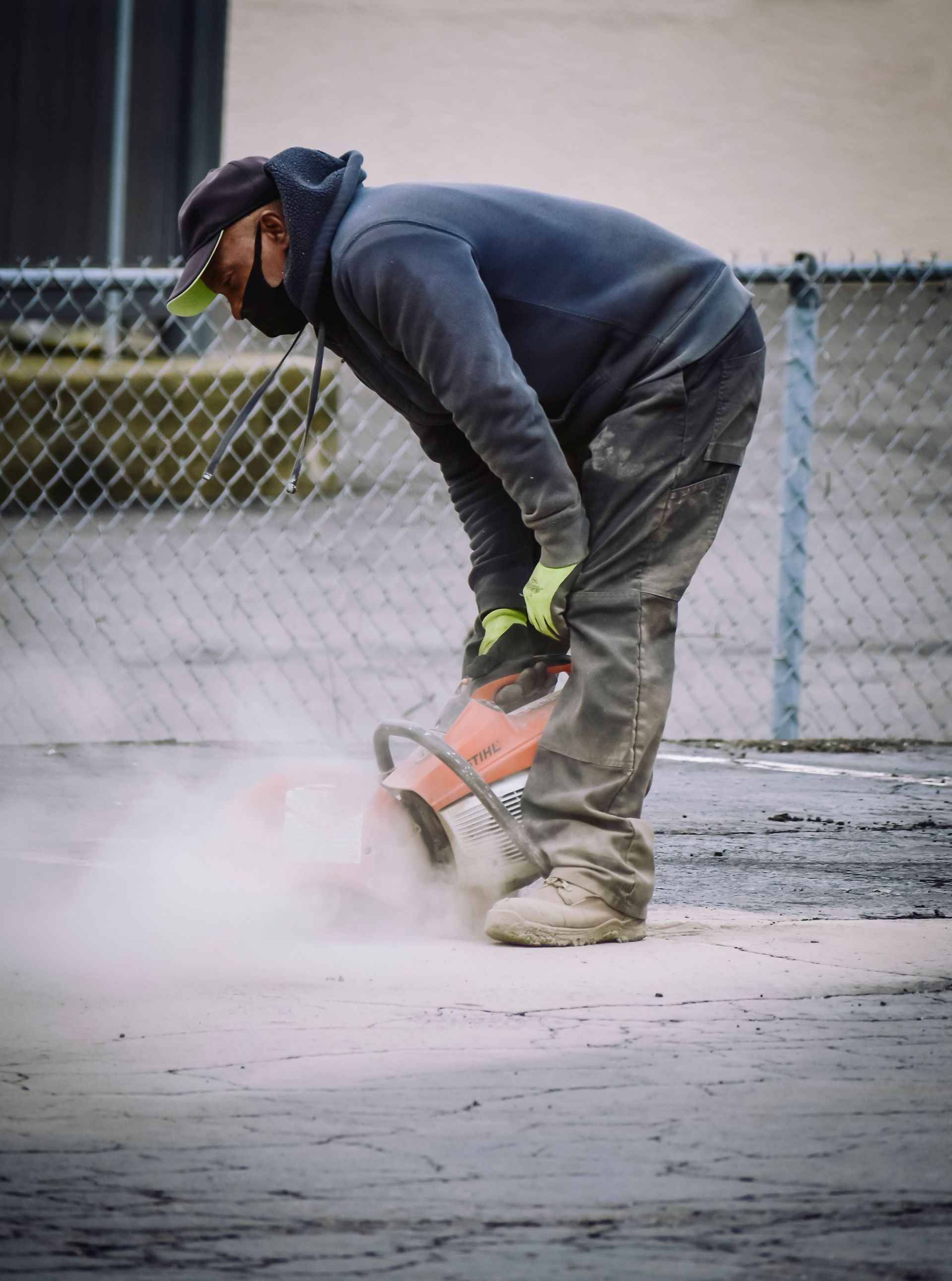
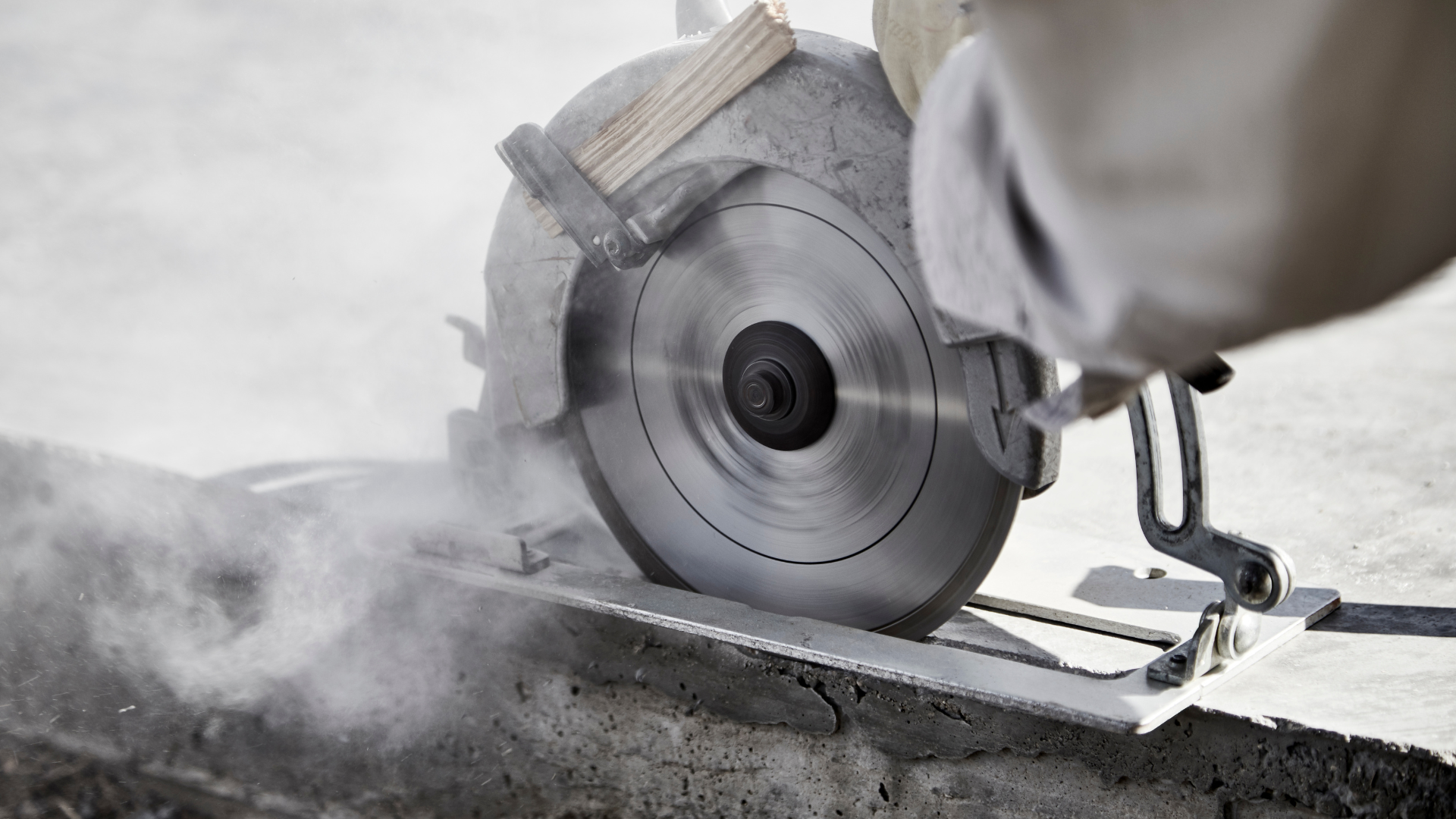
Once the trench path is marked, we use professional
flat saws with diamond blades to cut straight lines through the slab. The depth of the cut is carefully controlled based on slab thickness and project requirements.
These saws create
clean edges, which makes it easier to patch the trench after utility work is complete.
Step 3: Concrete Removal
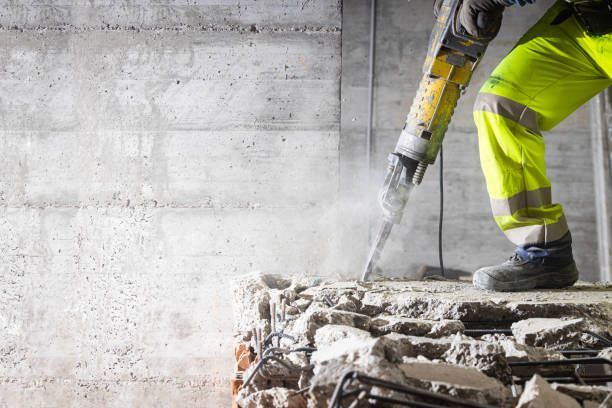
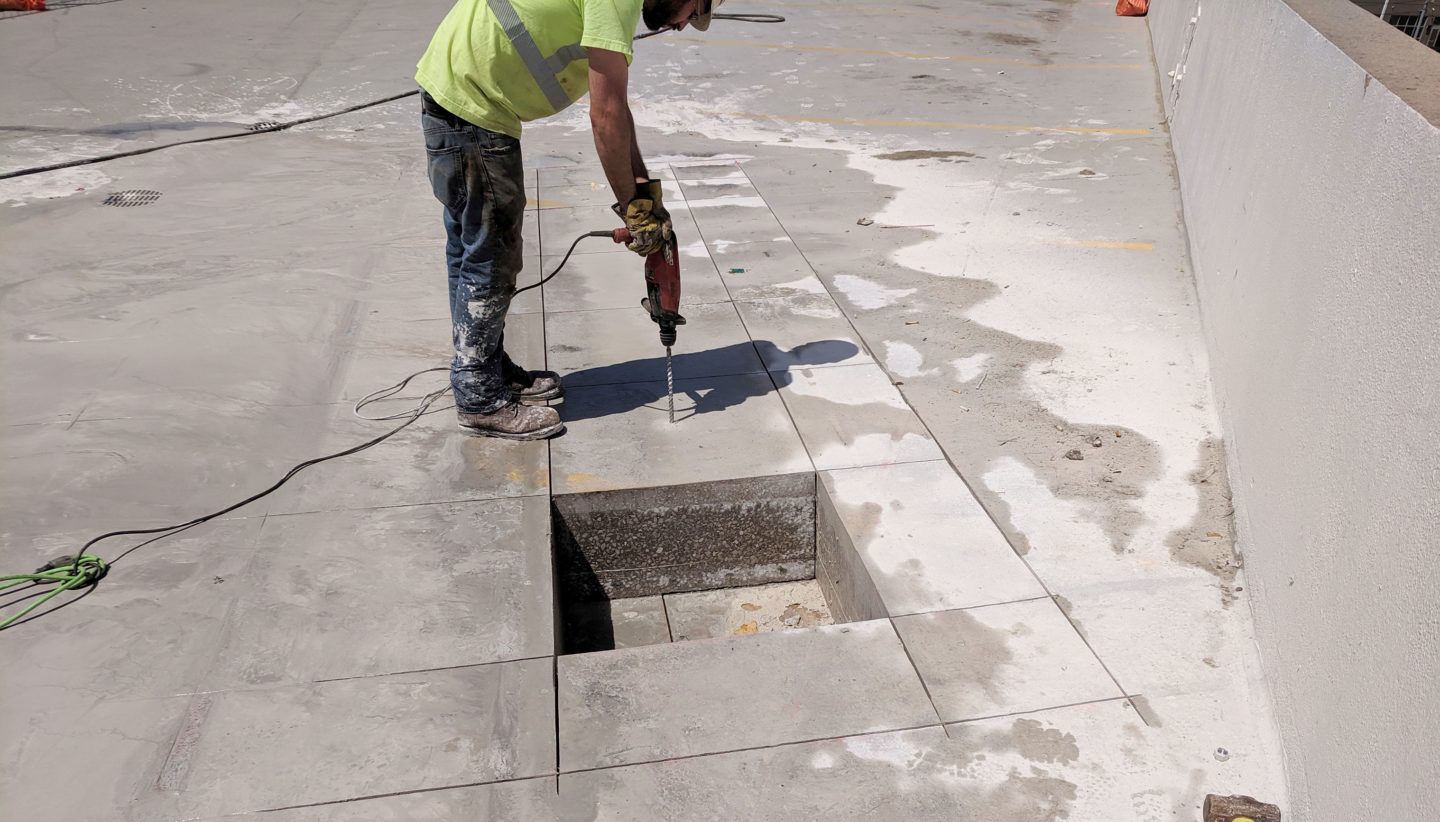
After the saw cuts are completed, the interior section of the trench is removed using jackhammers or specialized tools. This exposes the soil or base material beneath the slab so contractors can access utilities.
Step 4: Utility Installation
Once the trench is open, plumbers, electricians, or HVAC technicians install or repair the necessary systems.
These may include:
- Water supply pipes
- Drain lines
- Gas piping
- Electrical conduit
- Fiber optic cables
Step 5: Backfilling and Concrete Repair
After utilities are installed, the trench is filled and sealed. This typically involves:
- Compacting the soil base
- Adding reinforcement if necessary
- Pouring new concrete into the trench
Proper repair ensures the slab maintains structural integrity and appearance.
Residential Concrete Trenching Projects
Homeowners often require trench cutting when upgrading or repairing systems inside the home.
Common residential examples include:
Bathroom Remodels
Moving plumbing lines for new shower layouts, sinks, or toilets often requires trench cutting through slab foundations.
Kitchen Renovations
Installing a new island sink or relocating appliances may require new drain lines beneath the slab.
Sewer Line Repairs
Older sewer lines occasionally fail beneath slab foundations, requiring trench access for replacement.
Backyard Utility Installations
Outdoor kitchens, irrigation systems, or lighting often require trenching through patios or walkways.
Commercial Concrete Trenching Applications
Commercial buildings rely on extensive infrastructure beneath their floors. Trenching is frequently used during:
- Tenant improvements in retail spaces
- Restaurant kitchen upgrades
- Office remodeling projects
- Medical facility retrofits
- Warehouse equipment installation
Because many commercial slabs contain reinforcement or post-tension cables, professional scanning and experienced cutting are critical.
Industrial Trenching for Equipment and Utilities
Industrial environments often require trenching for heavy-duty infrastructure such as:
- Manufacturing equipment power supply
- Drainage systems for processing facilities
- Hydraulic or pneumatic systems
- Conveyor line installations
These projects require precise planning to avoid structural damage and minimize downtime.
Advantages of Professional Concrete Trenching
Hiring a professional concrete cutting contractor offers several important benefits.
Precision Cuts
Professional saws create straight, accurate cuts that allow trenches to be repaired cleanly once work is complete.
Reduced Structural Damage
Improper cutting can cause cracking or structural weakening. Professional trench cutting prevents unnecessary damage.
Faster Project Completion
Specialized equipment allows trenches to be opened quickly and efficiently.
Improved Safety
Concrete cutting professionals follow safety protocols to protect workers and surrounding structures.
Safety Considerations When Cutting Trenches
Concrete trenching involves powerful equipment and potential hazards. Professionals take several precautions to ensure safe operations.
These include:
- Dust control using water suppression
- Protective equipment for workers
- Electrical safety procedures
- Utility verification before cutting
Safety is especially critical when working in occupied buildings or near sensitive equipment.
FAQs About Concrete Trenching
How deep can you cut a trench in concrete?
Most concrete slabs can be cut several inches deep depending on thickness. Industrial slabs may require deeper cuts using specialized saws.
Does trench cutting create a lot of dust?
Professional contractors use
wet cutting methods that significantly reduce dust during the process.
How long does concrete trenching take?
Most residential trench cuts can be completed in a few hours. Larger commercial or industrial projects may take longer depending on scope.
Can trenches be repaired so they are invisible?
Yes. Skilled contractors can repair trenches so they blend seamlessly with the existing concrete surface.
Do I need a permit for trench cutting?
Permit requirements vary depending on the type of project and local regulations. Contractors can help determine whether a permit is required.
Why Choose Adam’s Concrete Cutting and Demolition?
For over 25 years, Adam’s Concrete Cutting and Demolition has been a trusted partner for contractors and homeowners throughout the Glendale area.
We provide:
- Professional concrete trenching
- Flat sawing and wall sawing
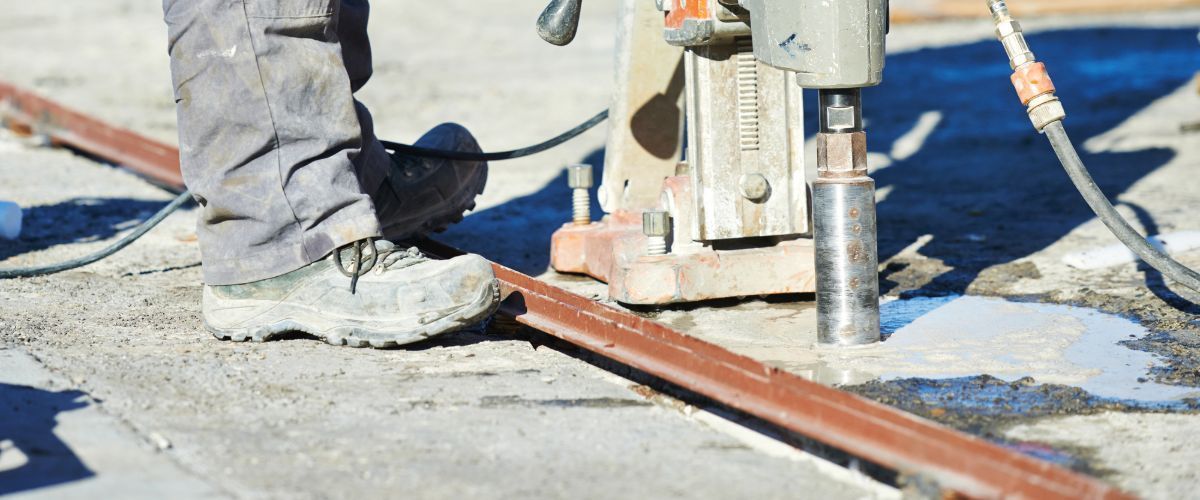
- Core drilling
- Concrete removal and demolition
- Residential, commercial, and industrial services
Our team uses modern equipment and proven techniques to deliver safe, precise results on every project.
Schedule Concrete Trenching Services in Glendale, AZ
If your project requires concrete trenching for plumbing, electrical, or structural work, trust the experienced professionals at Adam’s Concrete Cutting and Demolition.
We proudly serve Glendale and surrounding communities including Peoria, Surprise, Phoenix, and Avondale.
Call (623) 444-4195 today
or email
concretecutting@live.com to request a quote.
Let us help you complete your project safely, efficiently, and on schedule.