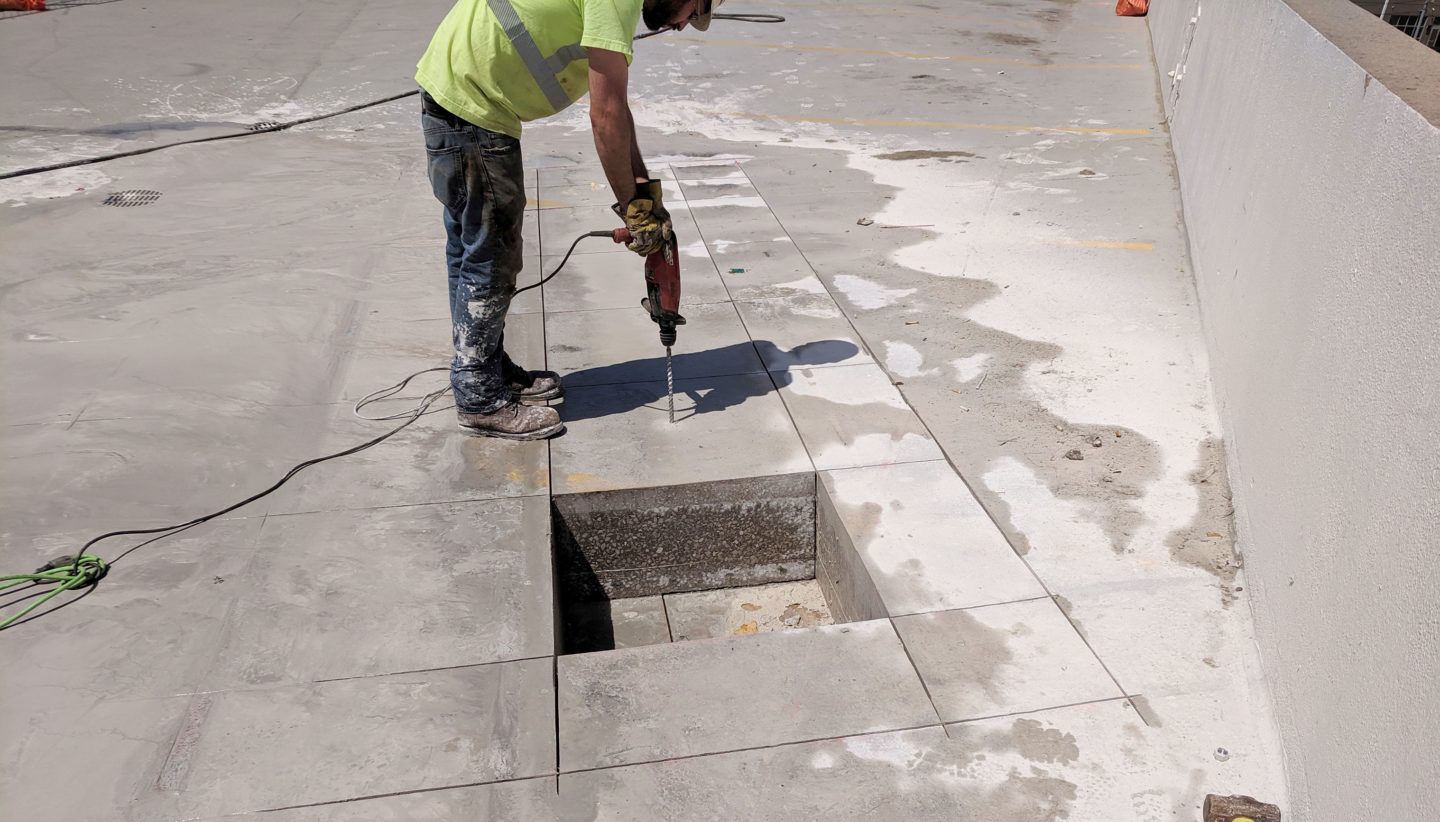
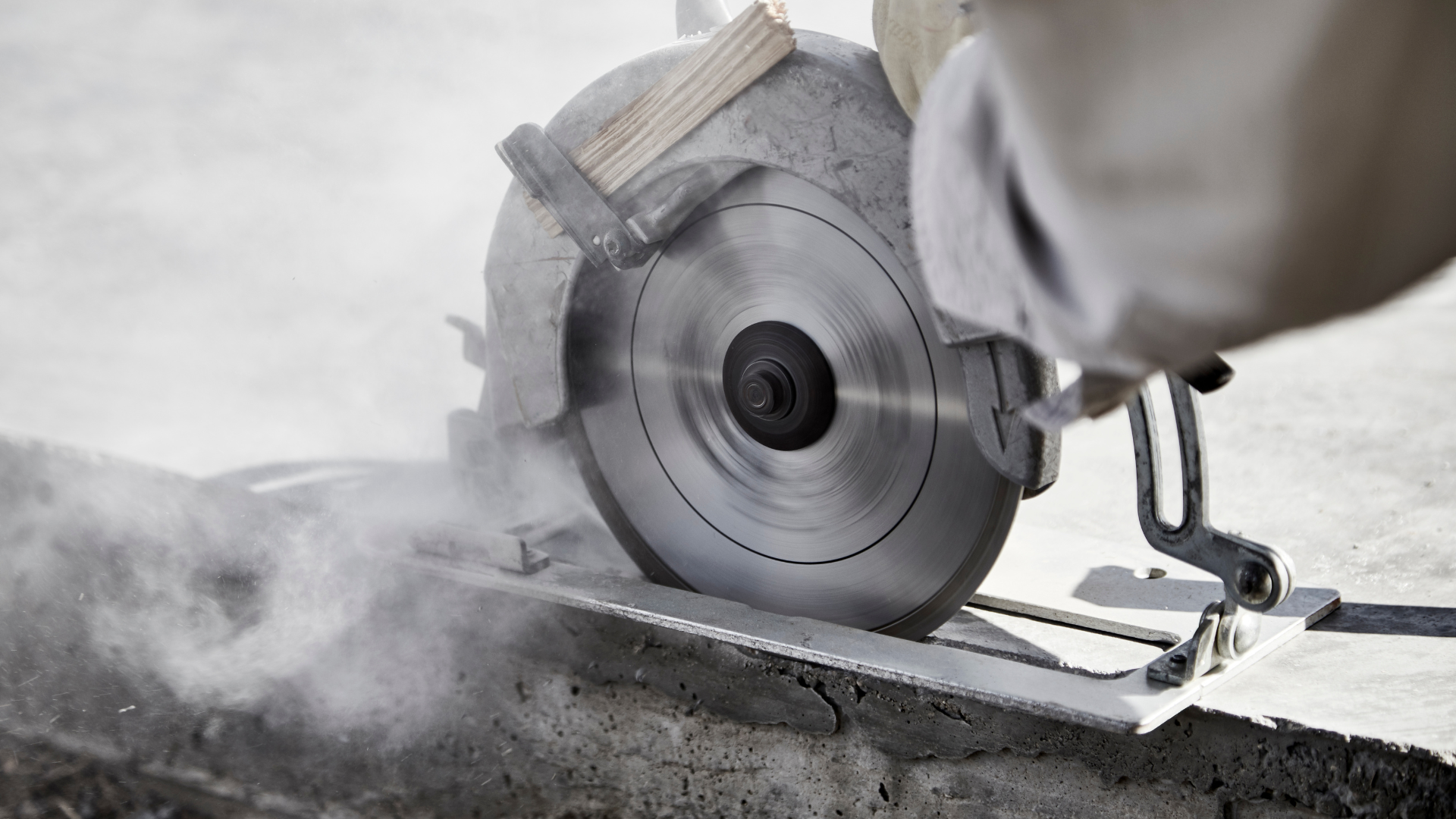
When most homeowners or property managers think about concrete cutting, they imagine loud jackhammers, clouds of dust, and major disruption. That reputation comes from outdated methods.
The reality is very different today.
With modern equipment and experienced operators,
concrete cutting can be controlled, precise, and significantly cleaner and quieter than most people expect. Whether you’re cutting a driveway, trenching for plumbing, or modifying a commercial floor, the right approach makes all the difference.
At Adam’s Concrete Cutting and Demolition, we specialize in
low-dust, low-noise cutting solutions for residential, commercial, and industrial projects throughout Glendale, AZ and the surrounding West Valley.
In this guide, we’ll break down exactly how professionals minimize disruption—and what you should expect on your project.
Why Dust and Noise Control Is So Important
Concrete cutting impacts more than just the slab itself. Without proper controls, it can affect:
- Indoor air quality
- HVAC systems and ductwork
- Electronics and sensitive equipment
- Nearby businesses or tenants
- Landscaping and outdoor surfaces
- Worker safety and regulatory compliance
The Hidden Risk: Silica Dust
Concrete contains
crystalline silica, which becomes airborne during dry cutting. Prolonged exposure can lead to serious respiratory conditions.
Because of this,
OSHA strictly regulates silica dust exposure, making dust control not just a preference—but a requirement.
The Biggest Mistake: Choosing the Wrong Method
Many dust and noise issues come down to one thing:
Using the wrong equipment.
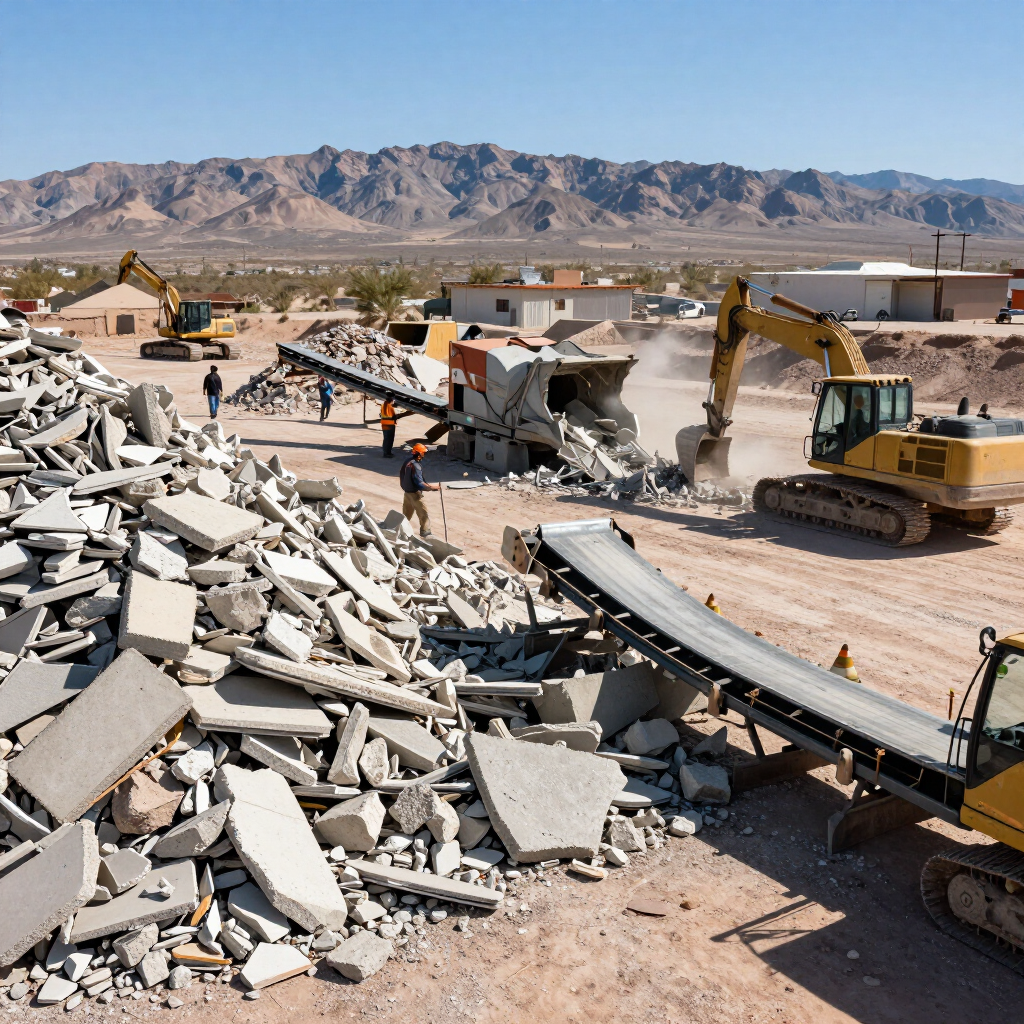
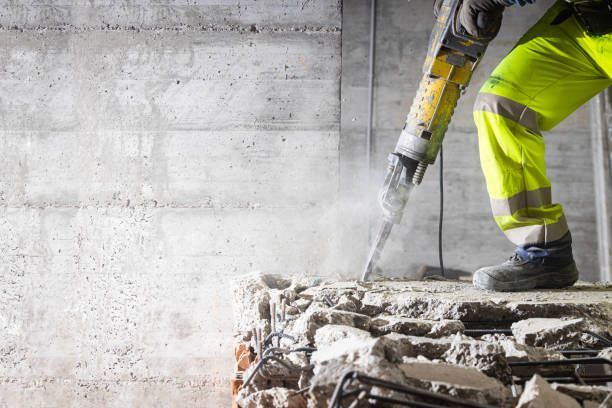
Traditional demolition methods like jackhammering:
- Create excessive vibration
- Produce uncontrolled debris
- Generate high noise levels
- Release large amounts of airborne dust
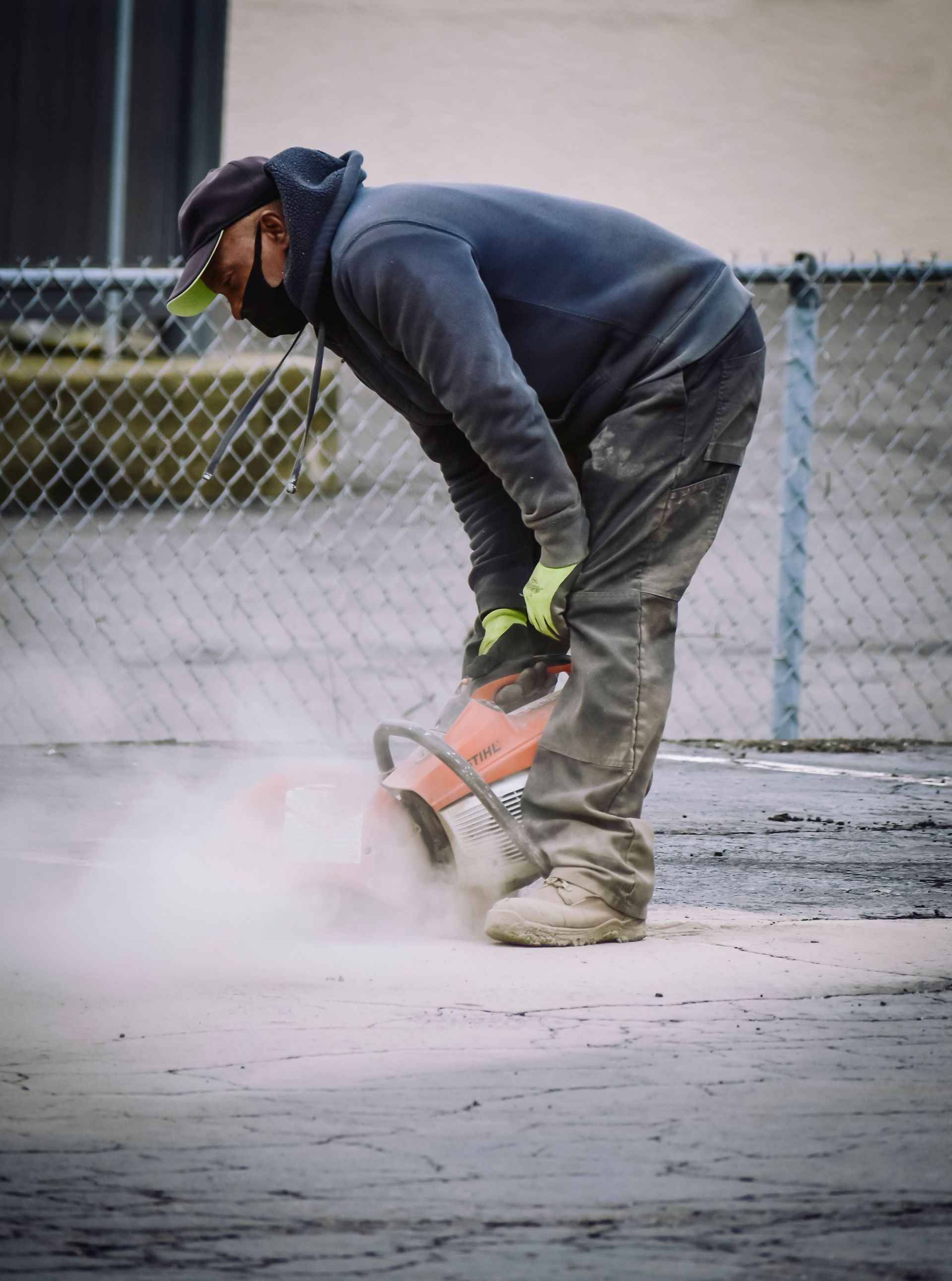
Professional concrete cutting replaces these methods with
precision sawing, which is cleaner, faster, and far less disruptive.
How Professionals Minimize Dust During Concrete Cutting
1. Wet Cutting (Water Suppression Systems)
This is the most effective dust control method in the industry.
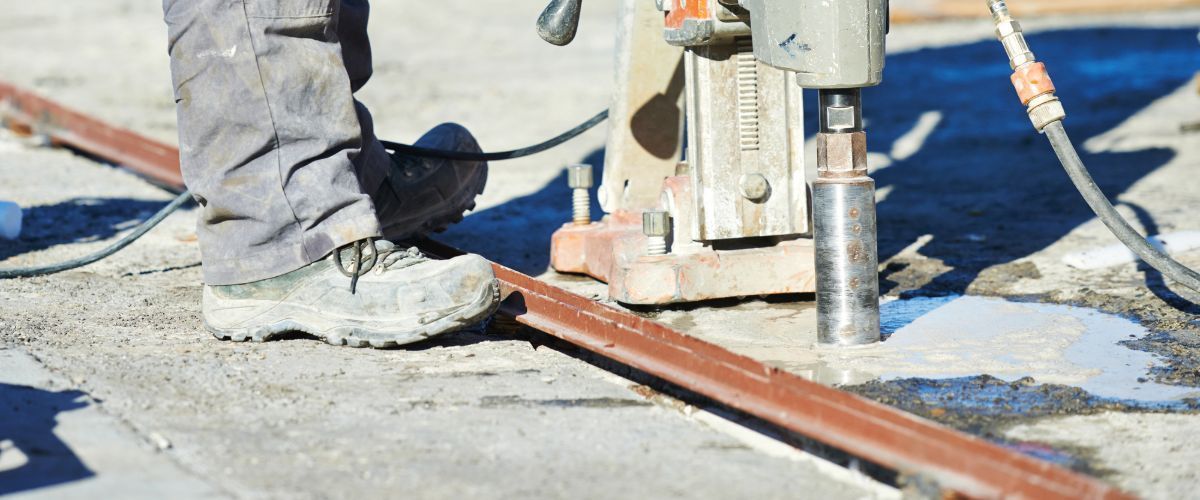
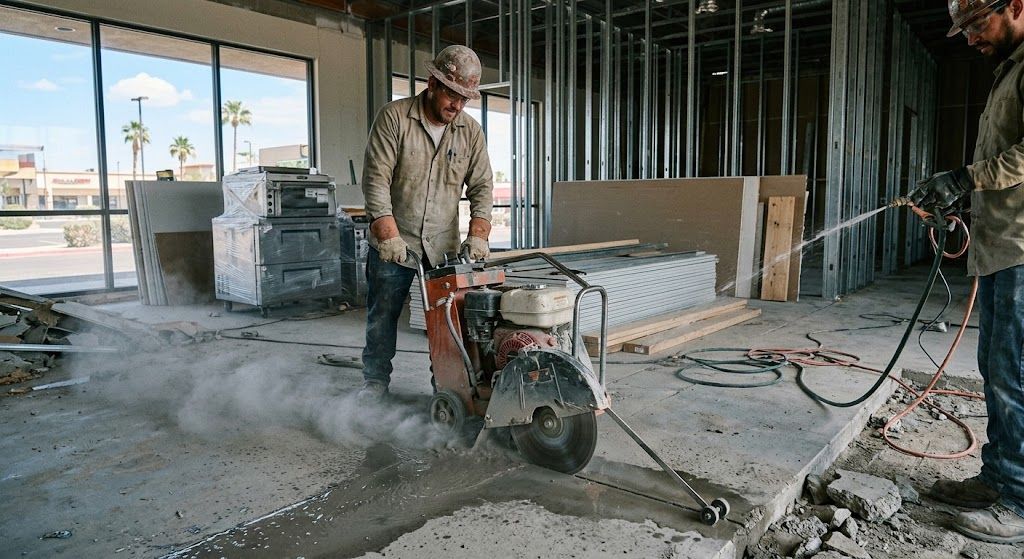
Water is continuously applied to the blade during cutting, which:
- Captures dust particles before they become airborne
- Keeps blades cool for better performance
- Reduces friction and improves cut quality
Result: Up to 90%+ dust reduction compared to dry cutting.
2. HEPA Filtration & Industrial Vacuum Systems
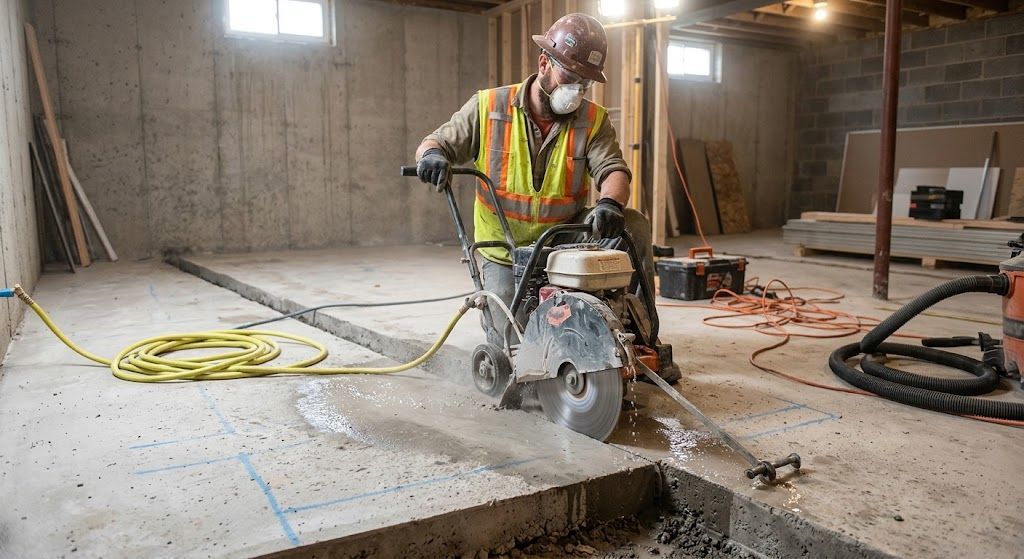
For indoor jobs or sensitive environments, we use
HEPA-filtered vacuum systems.
These systems:
- Capture microscopic particles
- Prevent dust from spreading through air vents
- Maintain clean indoor air quality
This is especially important in:
- Medical offices
- Restaurants
- Retail stores
- Occupied homes
3. Containment and Work Zone Isolation
We isolate cutting areas using:
- Plastic barriers
- Zip walls
- Temporary partitions
This prevents dust from traveling into unaffected areas of the property.
For larger commercial jobs, we may create
fully enclosed work zones.
4. Proper Blade Selection and Cutting Technique
Using the correct blade and cutting method matters more than most people realize.
We select blades based on:
- Concrete hardness
- Reinforcement (rebar or mesh)
- Depth and type of cut
This ensures:
- Cleaner cuts
- Less debris
- Reduced airborne particles
5. Slurry Management and Cleanup
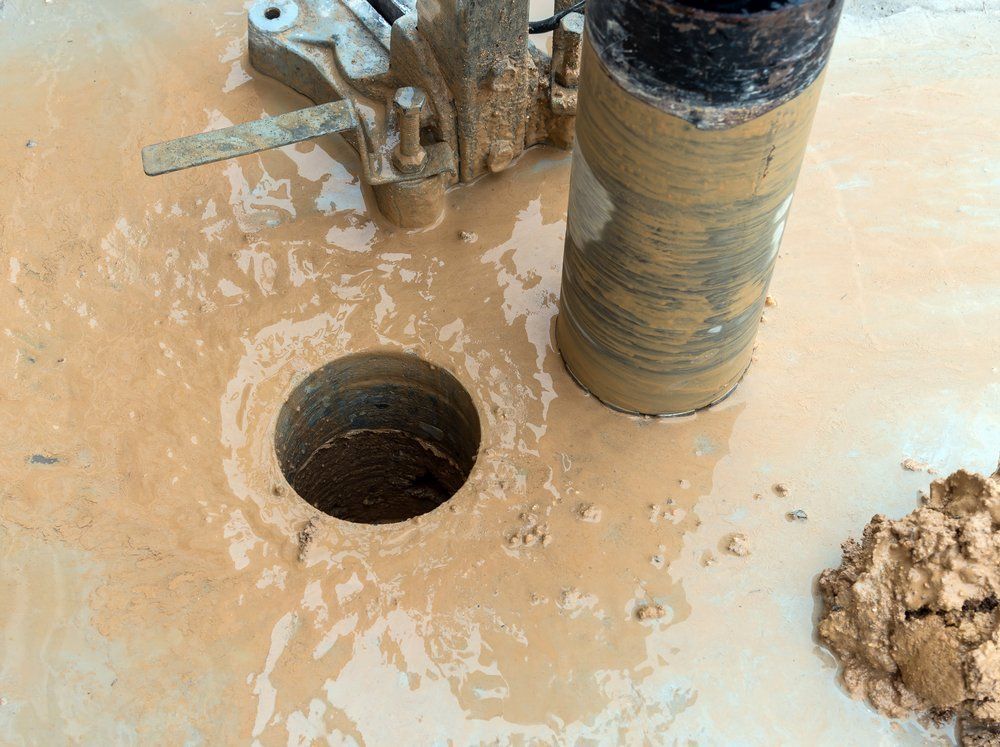
Wet cutting produces slurry (a mix of water and concrete dust). We control and remove it using:
- Wet vacuums
- Containment systems
- Immediate cleanup protocols
This prevents staining, tracking, or buildup on surrounding surfaces.
How Professionals Reduce Noise During Concrete Cutting
While some noise is unavoidable, professional techniques significantly reduce it.
1. Electric vs. Gas-Powered Equipment
Whenever possible, we use
electric-powered saws, especially indoors.
Benefits include:
- Lower noise levels
- No engine vibration
- No exhaust fumes
- Better control in tight spaces
2. Controlled Sawing Instead of Impact Tools
Saw cutting is:
- More precise
- Less aggressive
- Significantly quieter than jackhammers
This is especially important in:
- Residential neighborhoods
- Office buildings
- Multi-tenant properties
3. Strategic Scheduling
We work with clients to reduce disruption by:
- Scheduling early morning work
- Working after business hours
- Completing noisy phases first
For commercial clients, we often offer:
- Night work
- Weekend scheduling
- Phased project execution
Residential Projects: Keeping Your Home Livable
Concrete cutting in homes requires extra care.
We take steps such as:
- Covering furniture and flooring
- Sealing off work areas
- Protecting HVAC systems
- Using low-noise equipment
- Performing full cleanup after completion
Many homeowners are surprised at how
manageable and clean the process can be when done correctly.
Commercial & Industrial Projects: Minimizing Downtime
For businesses, disruption equals lost revenue.
That’s why our approach focuses on:
- Keeping operations running
- Reducing downtime
- Maintaining safe environments for employees and customers
We regularly work in:
- Retail stores
- Restaurants
- Warehouses
- Medical facilities
- Office buildings
Our goal is simple:
Get in, get the job done, and get out with minimal impact.
OSHA Compliance and Safety Standards
Professional concrete cutting must meet strict OSHA requirements, including:
- Dust suppression measures
- Worker protective equipment
- Air quality management
- Exposure limits for silica dust
At Adam’s Concrete Cutting and Demolition, we follow all OSHA guidelines to ensure:
- Worker safety
- Client protection
- Legal compliance
Common Questions About Dust & Noise
Is dust completely eliminated?
No—but it can be reduced by
90% or more with proper techniques.
Will my home or business get dirty?
We take extensive precautions to contain dust and clean thoroughly after the job.
How loud is concrete cutting?
It’s significantly quieter than jackhammering. Electric saws further reduce noise levels.
Can you work while my business is open?
Yes. We specialize in
low-disruption work environments.
Do I need to leave during the project?
In most cases, no. Many jobs are safely completed while occupants remain on-site.
Real Project Example: Clean Interior Trenching in Glendale
A retail business in Glendale needed trench cutting for plumbing upgrades—but could not shut down during business hours.
Our solution:
- Installed full containment barriers
- Used wet cutting and HEPA vacuums
- Completed work overnight
Result:
- No dust spread
- No customer disruption
- Business opened as usual the next morning
Why Choose Adam’s Concrete Cutting and Demolition?
- 25+ years of experience
- Advanced dust and noise control methods
- OSHA-compliant practices
- Residential, commercial, and industrial expertise
- Licensed and insured (AZ ROC #249502)
We don’t just complete the job—we do it in a way that respects your space, your time, and your environment.
Schedule a Clean, Low-Disruption Concrete Cutting Project
If you need concrete cutting without the mess and noise, we’re here to help.
Serving Glendale, Peoria, Surprise, Phoenix & surrounding areas
Call (623) 444-4195
Email: concretecutting@live.com
Get professional results with minimal disruption—contact Adam’s today.