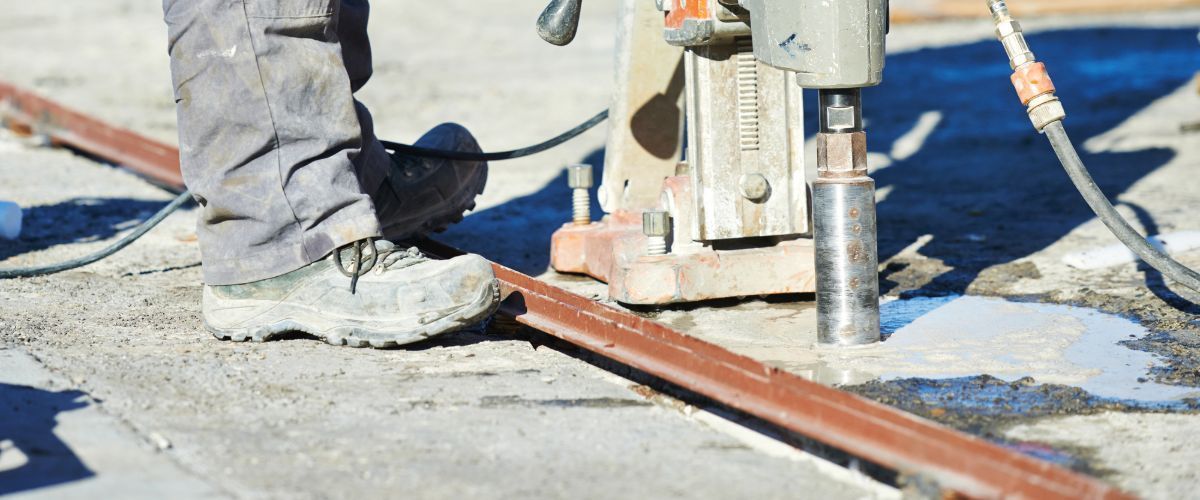
Garage conversions are one of the fastest-growing home improvement projects in Glendale, AZ and throughout the Phoenix metro area. With rising home prices and demand for additional living space, homeowners are transforming garages into:
- Guest suites or in-law units
- Rental spaces or ADUs (Accessory Dwelling Units)
- Home offices or studios
- Fitness rooms or hobby spaces
But before insulation, drywall, flooring, or finishes can begin, there’s one foundational step that must be done correctly:
Concrete cutting and slab modification.
Most garages were never designed to function as living spaces. That means the concrete slab often needs to be cut, adjusted, or opened up to accommodate plumbing, electrical, drainage, and layout changes.
At Adam’s Concrete Cutting and Demolition, we work closely with homeowners and contractors across Glendale, Peoria, Surprise, and the West Valley to prepare garage slabs for safe, code-compliant conversions.
Why Concrete Cutting Is Necessary for Garage Conversions
Unlike interior floors, garage slabs are typically built with different specifications. They may:
- Be sloped toward the driveway for drainage
- Lack plumbing infrastructure
- Contain reinforcement or post-tension cables
- Be thicker than standard interior slabs
Because of this, converting a garage into a livable space requires modifying the existing concrete, not just building on top of it.
Concrete cutting is essential for:
- Installing new plumbing systems
- Running electrical conduit
- Adjusting slab elevation or slope
- Creating access points for utilities
- Meeting building and code requirements
6 Common Concrete Modifications in Garage Conversions
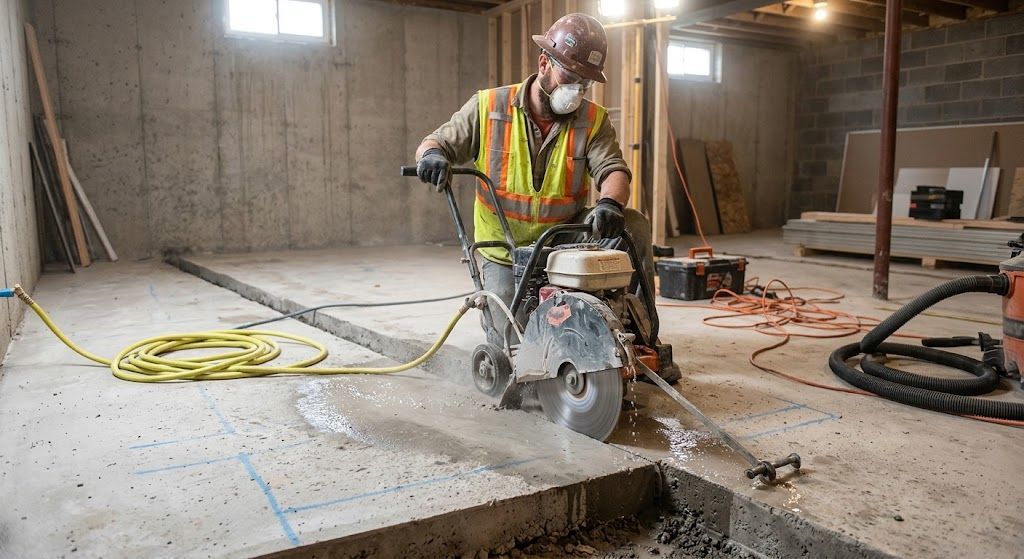
1. Trenching for Plumbing Installation
Adding a bathroom, kitchenette, or laundry area requires cutting trenches into the slab to install:
- Drain lines
- Water supply pipes
- Vent piping
These trenches must be precisely cut to:
- Maintain proper slope for drainage
- Avoid structural damage
- Minimize unnecessary slab removal
2. Cutting for Bathroom and Shower Layouts
Bathrooms require deeper and more complex cuts to accommodate:
- Toilets (waste lines)
- Shower drains
- P-traps and venting systems
Improper cutting in these areas can lead to:
- Drainage issues
- Code violations
- Expensive rework
3. Creating Doorways and Egress Openings
Garage conversions often require new entry points for safety and accessibility.
Concrete wall cutting may be needed for:
- Exterior doors
- Windows for natural light
- Emergency egress (required by code for bedrooms)
We use wall sawing techniques to create clean, straight openings without damaging surrounding structures.
4. Leveling or Adjusting the Garage Floor
Most garage floors are sloped to direct water toward the driveway. However, living spaces require level flooring.
Concrete cutting may be used to:
- Remove uneven sections
- Adjust slab height
- Prepare for floor leveling systems
This step is critical for:
- Flooring installation (tile, wood, vinyl)
- Proper drainage control
- Long-term structural stability
5. Electrical and HVAC Access
Modern living spaces require updated systems, including:
- Electrical wiring
- HVAC ducting
- Ventilation systems
Concrete cutting allows for:
- Running conduit beneath the slab
- Installing floor outlets
- Expanding system capacity
6. Utility Access for Upgrades
Older homes in Glendale often require system upgrades during conversions. This may include:
- Sewer line replacements
- Water line rerouting
- Gas line installation
Trench cutting ensures these upgrades are done efficiently without removing entire slabs.
Arizona-Specific Consideration: Post-Tension Slabs
In many Glendale and Phoenix-area homes built after the 1990s, garage slabs are post-tensioned.
These slabs contain high-tension steel cables embedded within the concrete.
Why This Matters:
Cutting into a post-tension slab without proper scanning can:
- Cause cables to snap violently
- Lead to serious injury
- Compromise the structural integrity of the slab
- Result in costly repairs
How We Handle It:
Before any cutting:
- We perform GPR (ground-penetrating radar) scanning
- Locate and mark all cables and reinforcement
- Adjust cutting plans to avoid hazards
This step is non-negotiable for safety.
Step-by-Step: How Concrete Cutting Works in Garage Conversions
Step 1: Site Evaluation
We assess:
- Slab thickness and composition
- Structural role of the slab
- Utility placement
- Project scope and design plans
Step 2: Utility Location and Scanning
We identify:
- Rebar
- Post-tension cables
- Plumbing lines
- Electrical conduit
This ensures safe cutting and prevents damage.
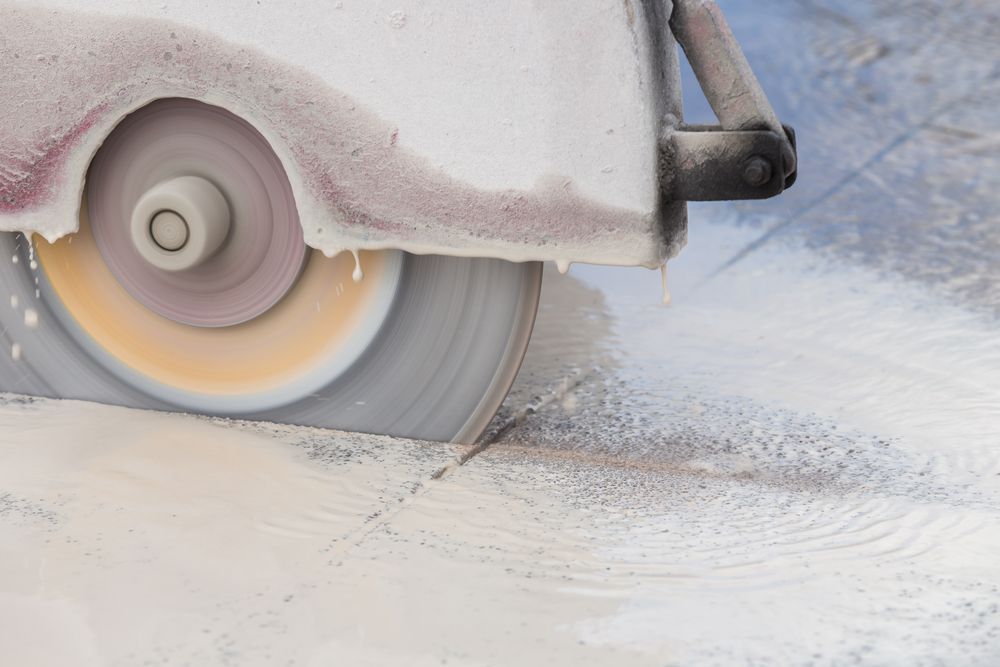
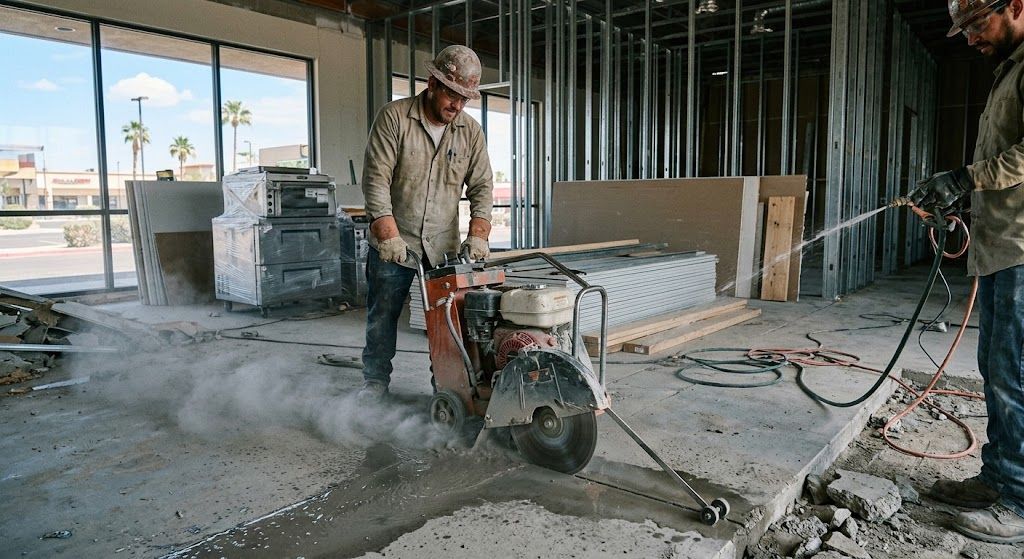
Step 3: Precision Cutting
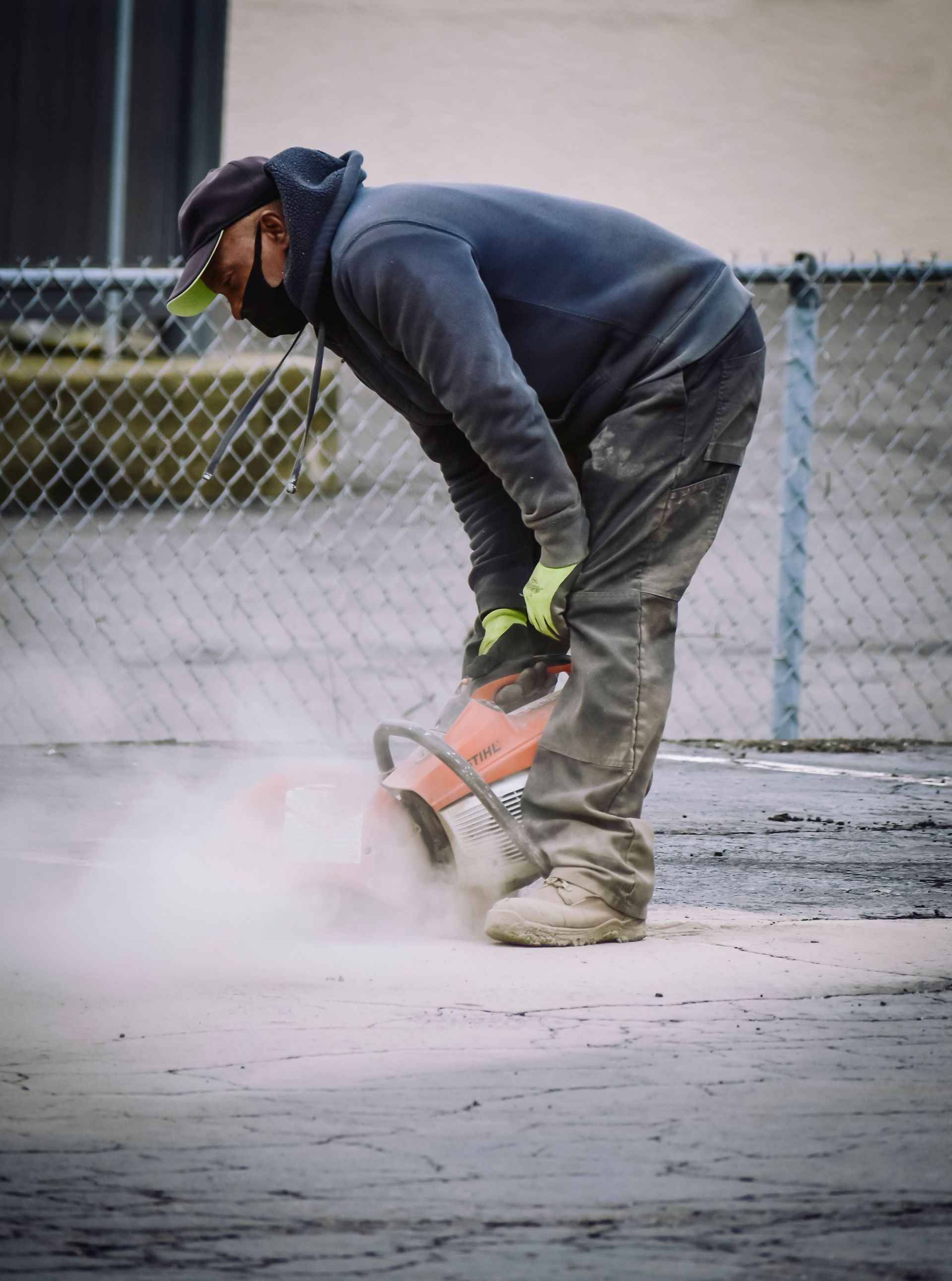
We use specialized equipment such as:
- Flat saws for slab cutting
- Wall saws for vertical surfaces
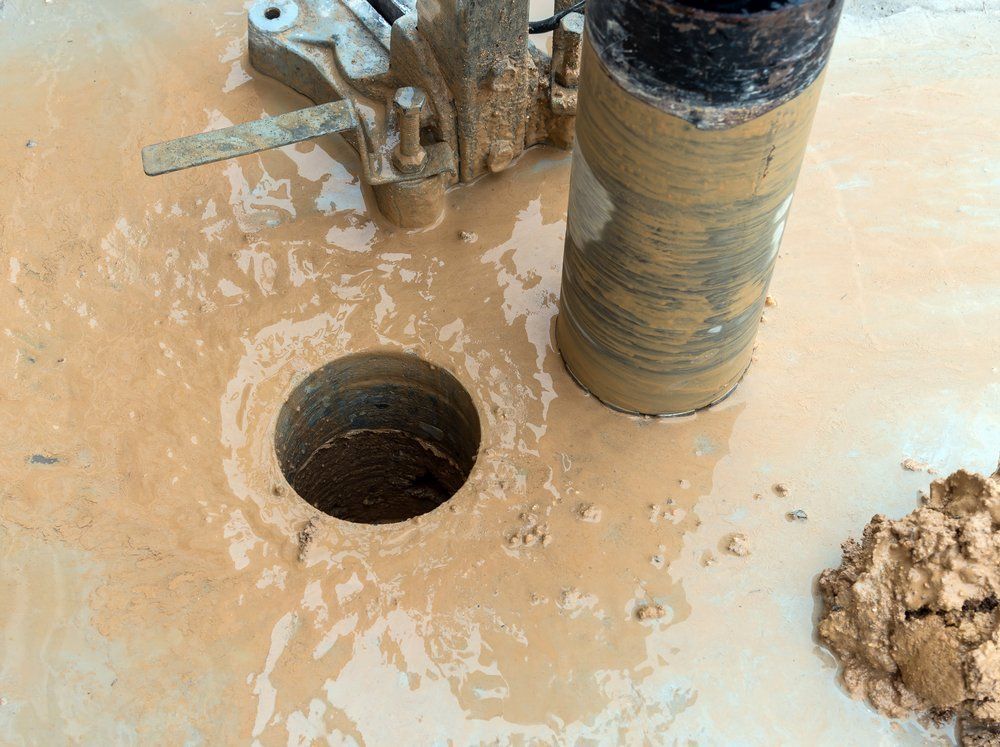
- Core drills for circular openings
All cuts are controlled for depth, accuracy, and cleanliness.
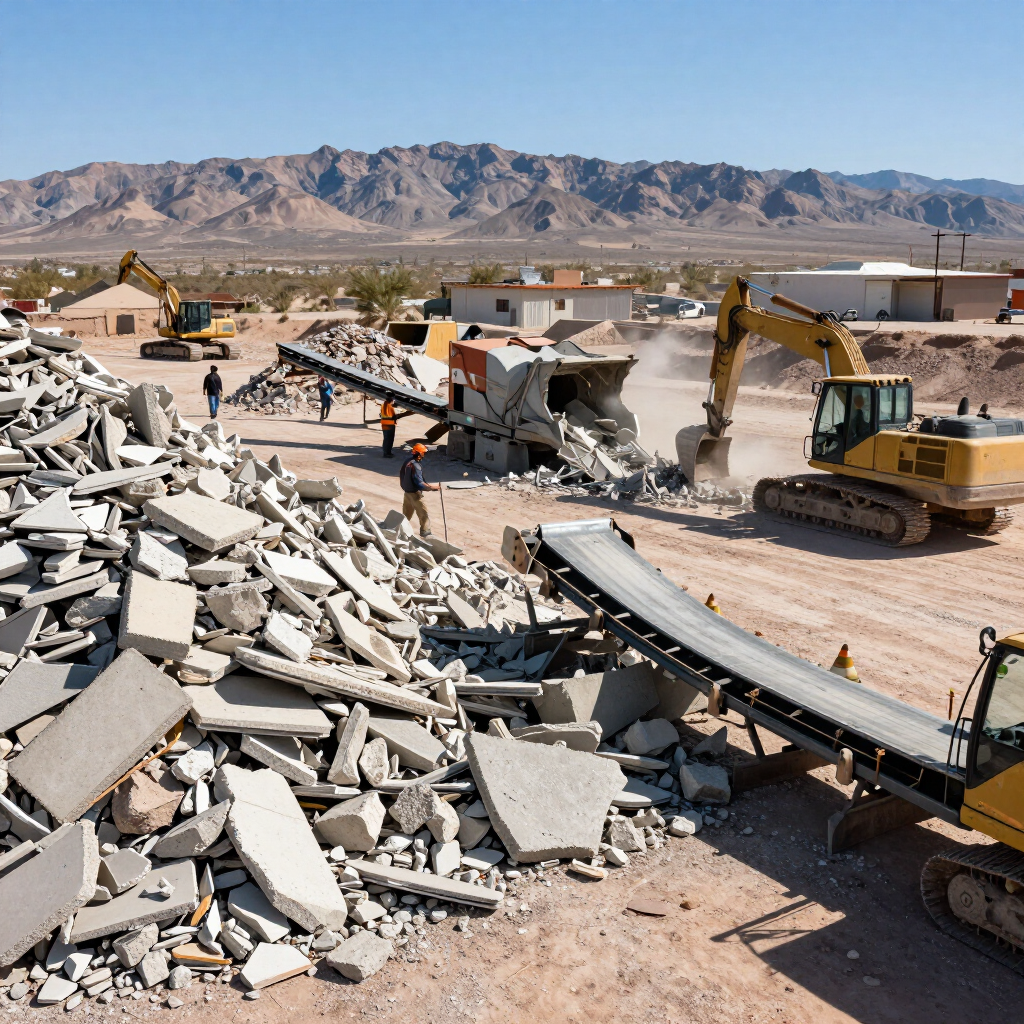
Step 4: Removal and Preparation
After cutting:
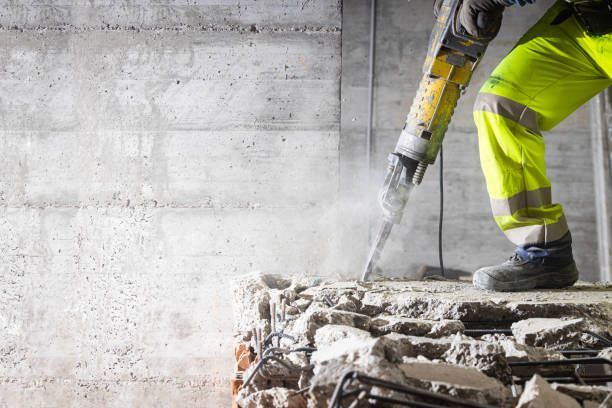
- Sections of concrete are removed
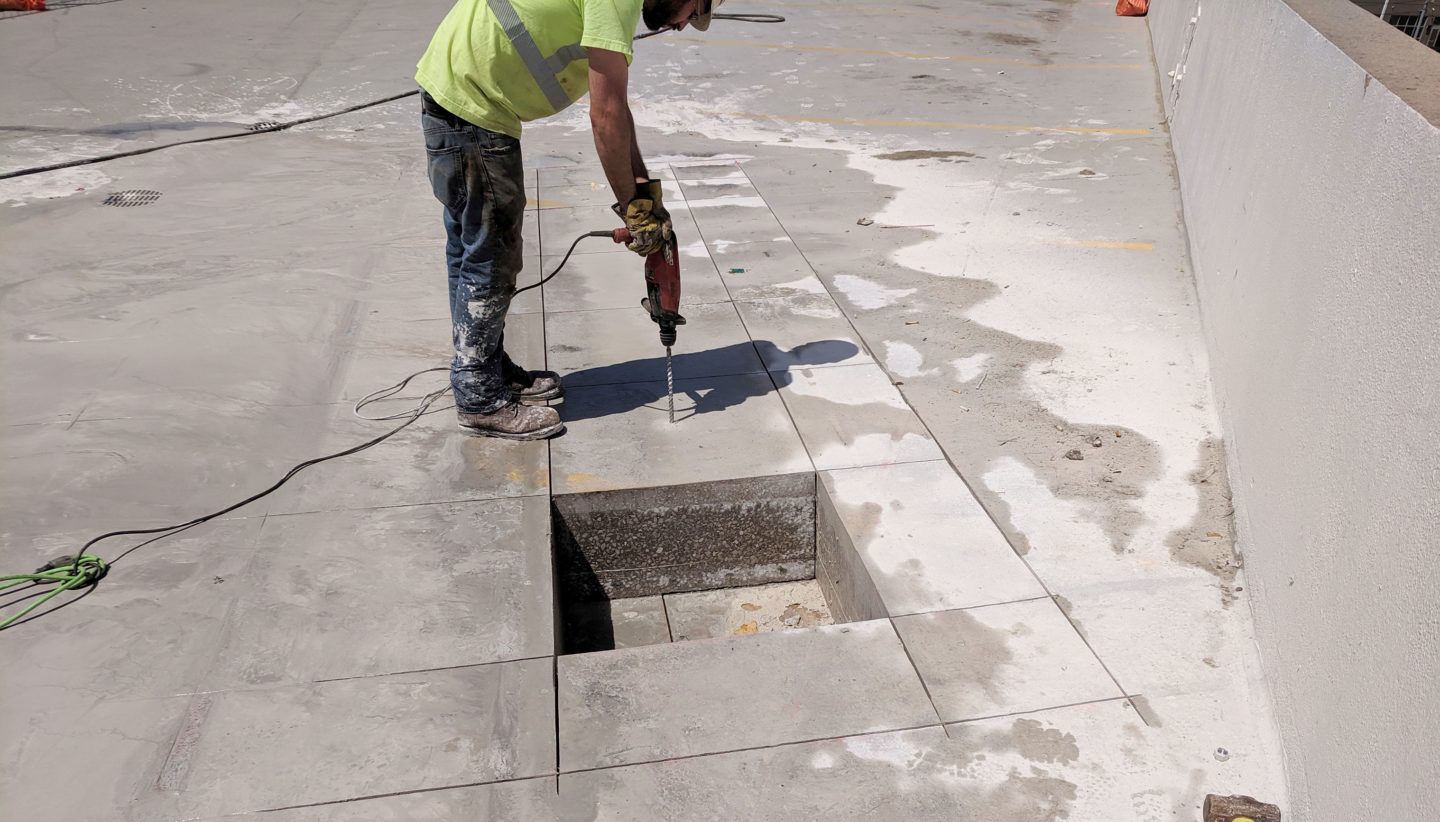
- Trenches are opened for utility installation
- The area is cleaned and prepped
Step 5: Coordination With Other Trades
We work alongside:
- Plumbers
- Electricians
- General contractors
- Inspectors
This ensures your project stays on schedule and meets all requirements.
Glendale Permit and Code Considerations
Garage conversions often require permits, especially when:
- Adding plumbing or electrical systems
- Modifying structural components
- Converting to livable space or rental units
Concrete cutting must align with:
- Local Glendale building codes
- Inspection requirements
- Structural guidelines
Working with experienced professionals helps ensure your project passes inspection the first time.
Common Mistakes to Avoid
Skipping Concrete Scanning
This is one of the most dangerous and costly mistakes.
DIY Concrete Cutting
Garage slabs are complex and not suitable for DIY work.
Poor Planning
Cutting must align with your overall design and construction plan.
Hiring Inexperienced Contractors
Mistakes in cutting can affect the entire project.
Real Project Example: Glendale Garage Conversion
A homeowner in Glendale converted their garage into a rental unit to generate additional income.
Our team performed:
- Trenching for bathroom plumbing
- Core drilling for electrical conduit
- Slab cutting to adjust layout
The results:
- Clean, precise cuts
- No structural damage
- Smooth transition to construction phase
- Passed inspections without delays
FAQs About Garage Conversion Concrete Cutting
Can you safely cut a garage slab?
Yes—with proper scanning, equipment, and experience.
How long does the cutting process take?
Most projects take 1–2 days, depending on scope.
Will this damage my home’s foundation?
No, not when done professionally with proper planning.
Do I need to empty the garage first?
Yes. Clear access is required for safety and efficiency.
Can cutting be done indoors?
Yes. We use low-dust, controlled methods for interior work.
Why Choose Adam’s Concrete Cutting and Demolition?
- 25+ years of experience in Arizona
- Specialists in residential slab modification
- Advanced scanning and precision equipment
- Clean, low-dust cutting methods
- Fully licensed and insured (AZ ROC #249502)
We help homeowners and contractors complete garage conversions safely, efficiently, and correctly.
Start Your Garage Conversion the Right Way
A successful garage conversion starts with a solid foundation—and that begins with professional concrete cutting.